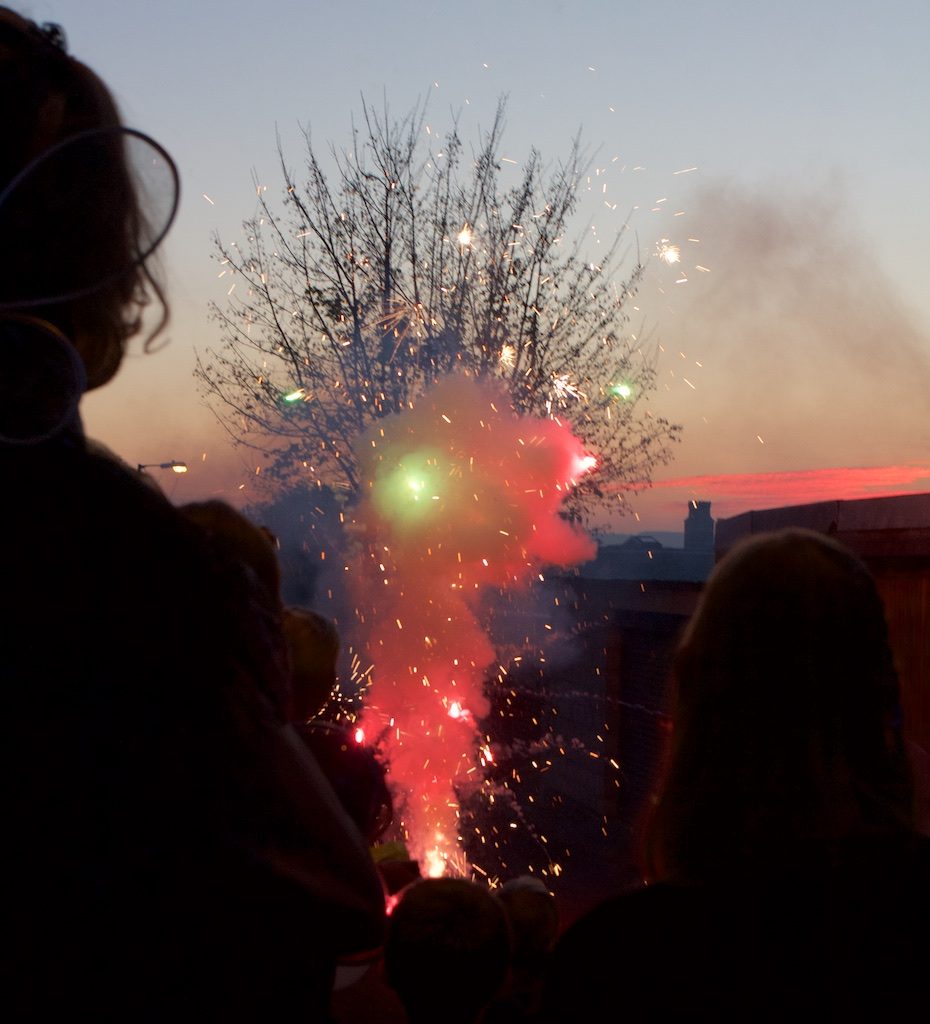
Bristol, England at dusk on an evening in November 2015. The pops and bangs were very loud and seemed to be right outside of the tiny bedroom I was staying in. It was right outside my window and I was bemused on investigation to find that a collection of children and their parents were setting off full-blown fireworks in the lane-way outside.
5 November 2015
Fireworks Day, or Guy Fawkes Day, or (as it was initially celebrated as a public holiday after 1605), Gunpowder Treason Day, has not been a feature of Western Australian life for at least a generation, and really has passed out the common memory here. I can not ever remember a time when personal fireworks have been legal, and nor should they be. In the dry heat of an Australian November spring, it would be like saying personal nuclear weapons are perfectly safe and socially acceptable.
Knowing a little bit about the history of Guy Fawkes also made me wonder why this was still an event in England, even with the rebranding to Fireworks Day. Elsewhere in that country would still have been bonfires burning, and on many of the pyres the effigy of the eponymous Fawkes would still be combusting.
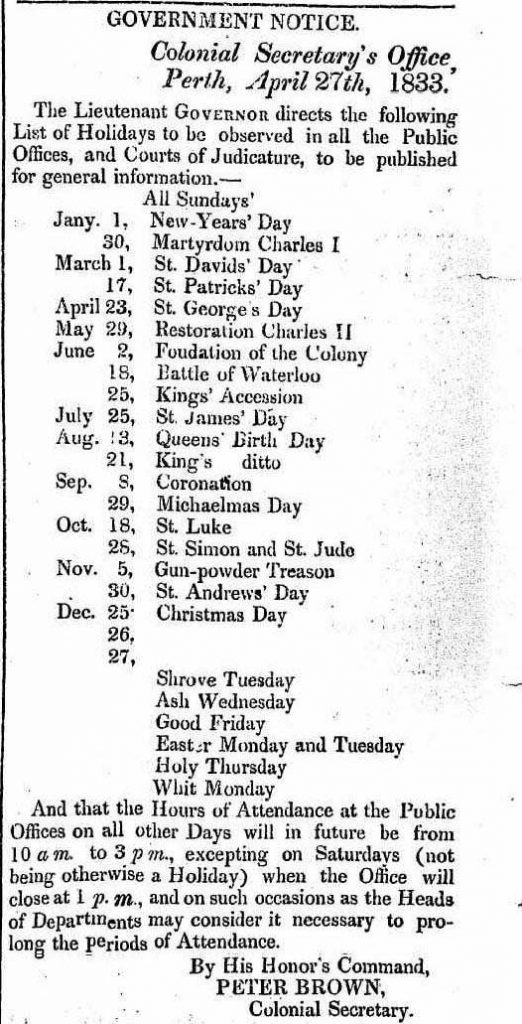
The Perth Gazette and Western Australian Journal (WA : 1833 – 1847) Sat 27 Apr 1833 Page 66
For centuries, November the fifth was the official “We all hate the Catholics” day within the British Empire. If you doubt this, look at the calendar of public holidays gazetted in the then newly formed Colony of Western Australia back in 1833. Jesse Hammond recollects back fondly on his school days in Perth in the 1860’s when the Government School boys would fight running battles in the streets with the boys from the Catholic school. On one occasion the local magistrate intervened: He offered three shillings for the winner of that particular brawl…
Hammond reckoned it was all good clean fun, and no-one got hurt—apart from those who did, I suppose.
The original Guy, or Guido, Faulkes had indeed been part of a conspiracy to blow up the English houses of parliament in 1605. There can be no real doubt of his involvement, he was captured in the cellar under the building guarding an enormous cache of gunpowder. Nevertheless he was privately tortured in the Tower of London for some time afterwards to obtain the properly signed and sealed confession that was felt to be necessary before he could be publicly tortured to death. Here are his famous signatures pre and post-interrogation:
Fawkes cheated the executioner’s meat hooks by falling off the scaffold and (accidentally?) breaking his neck, just prior to his legal strangling on the 31 January 1606. But he was destined to be burnt in effigy in perpetuity, every November for the rest of history. Burning had been the preferred method of dispatching heretics (ie: non Catholics) during the reign of the last Catholic monarch England had known prior to the reign of James I (who Fawkes had planned to detonate). If Fawkes and his conspirators had succeeded, the whole of the English ruling class would have been gone overnight. The ramifications of what would have ensued are pretty much impossible to calculate. I suspect the civil wars that would tear England, Scotland and Ireland apart thirty years later and cost the head of James’ useless son Charles, would have commenced a generation earlier. It was by no means certain that the Catholic restoration that the gunpowder conspirators desired would have been the final outcome.
But the discovery of the Gunpowder Plot in the very nick of time was a propaganda coup for the administration of the new-ish monarch of England, James, who prior to inheriting this throne in 1603, was (and continued to be) King James VI of Scotland (His own father had been assassinated in a bombing when the future monarch was only 8 months old). The newly proclaimed national holiday was initially celebrated by pope-burning in effigy, but eventually Faulkes would top the pyre on most occasions. In Northern Ireland, the Orange-men could parade through the streets in a “fuck-you” to their next-door neighbours, glorying in how they had stripped them of their political, property and economic rights in the name of religion (then be appalled when stones, and then bombs were thrown back), but for the rest of the British Empire, there was Guy Faulkes.
So it was, in the most loyal British Colony of Western Australia, in Perth, on the 5th November 1900 that my great-grandfather was born, and in memory of a day established to remind everyone of the Protestant supremacy over a hated and persecuted Roman Catholic minority, his parents named their first-born child after a religious extremist, convicted terrorist and would-be-mass murderer.
Bless!
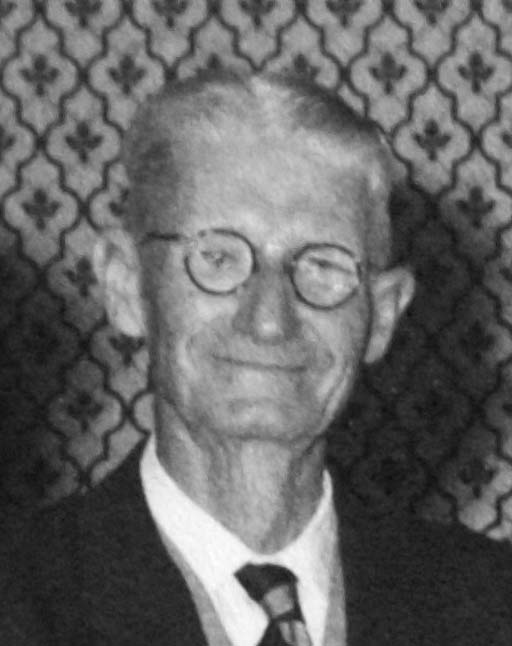
Leslie Guy Dyson (5 November 1900 – 16 September 1974)
Do I have any primary source for life in Western Australia in the 1870’s-1880’s more infuriating than the work of Mr Jesse Elijah Hammond (1856-1940)?(Probably, yes— but one should never let the truth get in the way of a good rant…)
He was on the ground when it all dramatically happened for the Dyson family. He even lived next door to the Sons of Australia Benefit Society Club house on Murray Street, so it is inconceivable he was not personally acquainted with them even if he did not count them as as friends.
Their mentions in the text of his 1936 memoir “Western Pioneers: The Battle Well Fought” (the most pompous book title in all of history)? nil.
Only the map that he drew from memory of central Perth for the year 1870 did the name “Dyson” appear. It’s fair enough that that it was not Joseph Dyson’s bakery on the corner of Murray and William Street as it was not established until 1873 and that site is listed under it’s owner’s name: Williams. But on the south and east side of Murray and King streets, where the general dealership and family compound of James Dyson and family had been long established, was a strange label: “Dyson’s Hotel”.
Here is where the land use records provide no help at all. Here is what’s listed in the official record:—
Early Owners of Perth Town Lot G14 (and later part of G15):
9 June 1840
Granted to Charles Brown (pays £3 2s.)
from 1842
Purchased by person(s) unknown, (finally owned by someone called John)
1848
Purchased by James Dyson (pays £12)
6 April 1874
Mortgaged to the Western Australian Bank for £500
19 August 1878
Purchased by George Shenton
24 August 1878
Purchased by John Joseph Elsegood
The only other mention of Dyson’s Hotel is in the map published in Stannage’s “The People of Perth” (1979), but that is just a re-drawing of Hammond’s map.
The only explanation I can give is part of a much larger story I have not got my head around yet. Joseph Dyson, James’s eldest son had quite a few traits not shared by the rest of his clan. For the first he was highly religious (atheists tend not to be called to teach at Methodist Sunday schools), secondly he was interested in the temperance movement (for those who know their Dyson history, no sniggering please).
In July 1877, two months after the original Dyson’s Corner was advertised for sale, he was elected to the committee of the City Temperance League. The League was stacked with fellow members of the Methodist church and chaired by their pastor, the Reverend Lowe. At that precise moment the League was trying to arbitrate a dispute between two other alcohol-hating quasi-religious organisations, the Rechabites and the Good Templars.
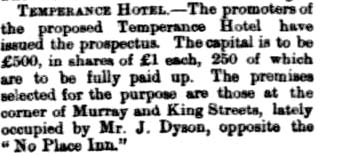
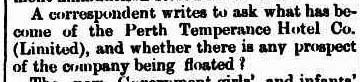
In March 1878, the (as yet) unidentified promoters of a “Temperance Hotel” published a prospectus. (A Temperance Hotel would serve beverages that were not alcoholic.) The proposed site of this establishment was to be here:—
The Inquirer & Commercial News (Perth, WA : 1855 – 1901) Wednesday 6 March 1878 p 1S
Five hundred Pounds… now where have I heard that sum before? Oh yes, the amount of the mortgage that James Dyson and his wife took out on the property back in 1874… what a coincidence! About this same time, George Towton came into his inheritance and took over the lease of the No Place Inn. (I’m sure he was also thrilled by this plan.)
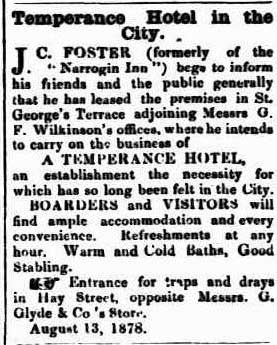
The Western Australian Times (Perth, WA : 1874 – 1879) Friday 9 August 1878 p2
…someone plaintively asked about the time George Shenton (junior), M.L.C., Merchant, acquired the property in August. The amount he paid for it is not recorded on the deed, but it does say that there were no “encumberances” on the property. ie: The mortgage was gone. He also bought Dyson’s Swamp, which was henceforth to be known (up to the end of the the 20th century) as “Shenton Lake”. He was also an extremely pious benefactor of the Wesleyan Church in Perth (as had been his late father) But I’m not sure this was a factor in his dealings on this occasion, for less than a week after his name had been affixed to the title deed, he had sold the property to John Joseph Elsegood, a Perth builder.
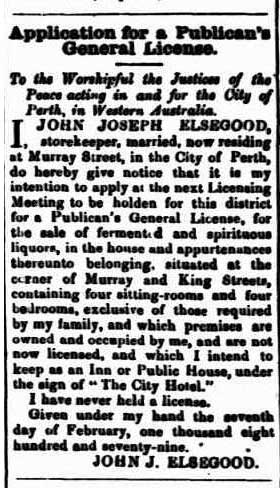
A year later, after extensive renovations, Elsegood applied for a hotellier’s licence for his property on King and Murray street, to be known as the “City Hotel”. His application was opposed (predictably, I suppose) by the rival establishment across the street, The No Place Inn. However, when the pastors representing the temperance movement swanned out of the court after successfully thwarting the application of the first petitioner of the day, Elsegood got his licence, although one of the judges commented:
Mr. Loftie—after consulting with the other two magistrates—said the majority were in favor of granting the application, and that therefore a certificate would issue to the applicant. Personally he might say he was opposed to it, and for this reason—while admitting the necessity for increased hotel accommodation (by which he meant board and lodging accommodation) he thought such might be provided without at the same time increasing the facilities already afforded—and which were ample—for the sale of intoxicating drinks.”
The Inquirer and Commercial News (Perth, WA : 1855 – 1901) Wed 26 Feb 1879 Page 4The Inquirer and Commercial News (Perth, WA : 1855 – 1901) Wed 26 Feb 1879 Page 4
Not only was the idea of a Temperance Hotel dead (at this location), the temperance movement, and in particular the voluble Reverend Traylen, had dropped the ball in blocking the establishment of another legal boosery in town. Traylen had blocked the application and closed an established pub on Barrack Street, the “Commercial Hotel”, on a legal technically (It escaped the attention of precisely no-one that this anti-drink campaigner also owned a property next to the Commercial). That he failed to oppose Elsegood was also noted.
Traylen was furious and responded:
Had I supposed that my leaving the court would be construed into tacit approval of Mr. Elsegood’s application I should have sat to the “bitter end.” If your readers think that consistency demands that I should oppose every applicant, all I can say is, that, circumstances permitting, every new speculator must consider the gauntlet before him.”
Traylen’s credibility would have been higher if what would have been commonly known back then was as completely forgotten as it is today…
…. Joseph Dyson, son of the former owner of “The City Hotel” land and present active member of the City Temperance League also happened to be John Joseph Elsegood’s brother-in-law.
So Dyson’s Hotel?… I’m just saying.
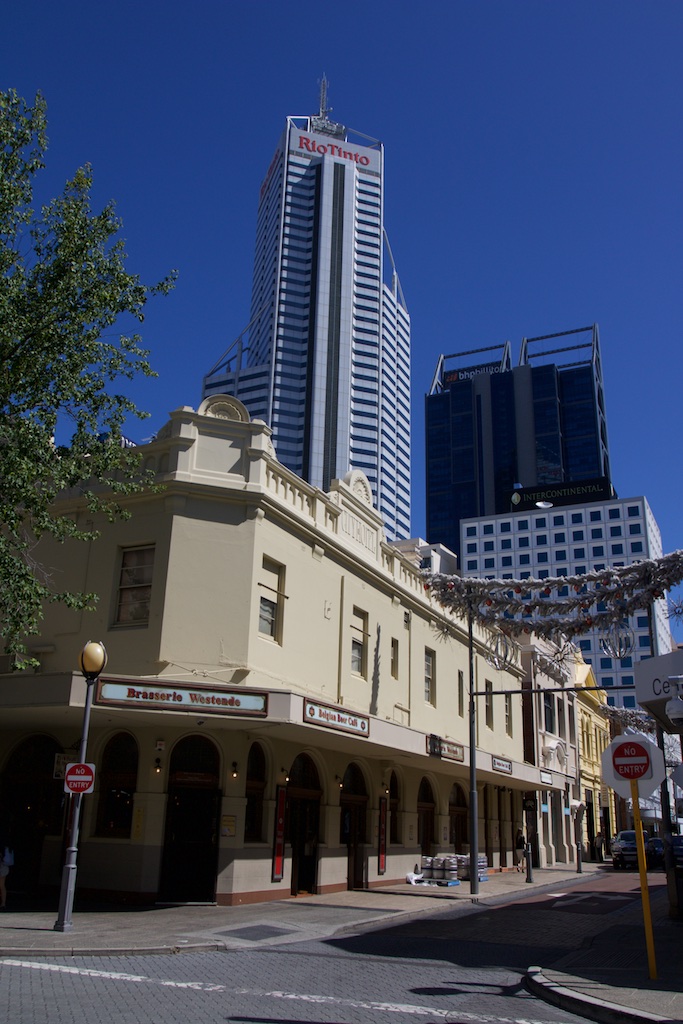
The City Hotel remained in the Elsegood Family’s hands until the end of the nineteenth century. The site was completely rebuilt in the early twentieth, and this building, now rebranded “The Belgian Beer Cafe” is what exists on the site of the old Dyson’s Corner today.
On the site of Dyson’s corner, 2017
But the Dyson connection with Murray Street was far from over.
As a would-be historian, I am always torn between my desire to share the information I have collected and the desire to find that one final piece of the puzzle that will complete the story I want to tell. Most of the time, that final piece is not— and may never be— there, but what to do then? Should I hoard away what I have so far, or publish and be damned?
If this is not your first reading of this page and what you are reading is different to what you recall, it means I have found some new evidence and re-written accordingly. It is why I chose a weblog to write up my material in the first place.
If the original Dyson family in Western Australia was associated with any one place in Western Australia (other than the eponymous swamp in present-day Shenton Park) it was with Dyson’s Corner, in the town of Perth. One slight problem: there were two Dyson’s Corners, and the only element they possessed in common (apart from the residency of a family called Dyson) was that they were both located (but on different street-corners) in Murray Street, on the unfashionable northern side of the town.
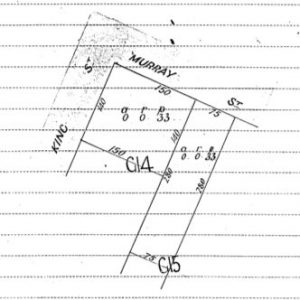
The first Dyson’s Corner from an old title deed. The measurement numbers are in “chains.”
The first Dyson’s Corner was a parcel of land on the south side of Murray Street and the east of King street.
James Dyson, sawyer and timber merchant, finally came into formal ownership of the land on 24 January 1848, but he might have been in occupation much earlier than this, as a renter, possibly since his arrival in the colony back in 1841.
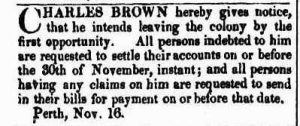
The first European “owner” of this land was a mysterious figure called Charles Brown. He was allocated these blocks in 1840, but only the following year he announced he was planning to leave the colony. As I can find nothing further about him (other than that he was possibly a member of the Methodist congregation, was known for his fruit trees, and owned other parcels of land in the city) I assume he left some time after that.
Inquirer (Perth, WA : 1840 – 1855) Wednesday 24 November 1841 p2
James Dyson paid the sum of £12 for the property in 1848. His neighbours were William Ward, a brick-maker, (and foundation member of the Sons of Australia Benefit Society) also John Chipper, the town bailiff. The deed of transfer was witnessed by the colonial chaplain, the Rev. F. B. Wittenoom, who was also Justice of the Peace. But who did he buy the property from? There in lies the question.
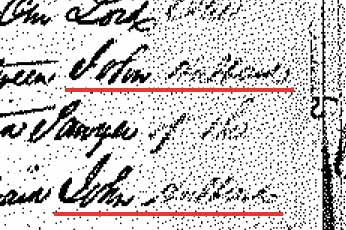
Tracing early title deeds in Western Australia is difficult and expensive. Far be it for me to begrudge a professional historian being paid a very large sum of money to look up a private database for five minutes, but the resultant digital copies you receive, also at great cost for each document you request, were obviously made years ago on very sub-standard equipment. Here is the name of the person Dyson bought the “corner” from as it appears in my document:
Can you decipher this name?
John ? was a sawyer, as was Dyson. Were they business partners? When did John ? buy the property, was it from good ole Charlie Brown? Is that surname Stafford, Hollands, Hutton, or something else entirely?
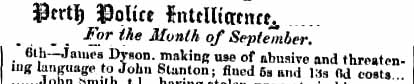
Its not Stanton, which is a shame, as John Stanton (1797-1877), an early councillor on the Perth town trust, a prominent papist, retired soldier, policeman and barrel-maker would have a documented altercation with Dyson in a couple of years time.
The Perth Gazette and Independent Journal of Politics and News (WA : 1848-1864) Friday 30 September 1853
It would be nice to know exactly what the argument was about. Stanton grazed cattle within the Perth jurisdiction. Dyson provided pasturage and water for the Perth herd on his property at Dyson’s Swamp.
A year before Dyson threatened Stanton, on the night of 2nd August 1852— a Monday evening— Dyson created some sort of disturbance in the street that also ended up in court. A month later, his neighbours right across the road, Stephen Hyde and wife Hannah decided to sell up. If the two events are linked, this was a sad ending to a long association. This couple had been witnesses at Dyson’s marriage ten years before. Maybe they did not approve of how he was treating his first wife now? Just to add a little spice to the mix, in September, Mrs Hyde was convicted and fined for assaulting a Mrs Staunton. Was this Staunton the mis-spelled wife of John? When John Stanton died in 1877, Dyson’s probable business rival Benjamin Mason (whose son had been shot by Dyson’s son) was one of his executors.
Hyde (then a bricklayer) had tried to sell up previously in September 1850 (not long after the first convicts arrived). Changing his mind, he instead applied for the licence to turn his premises into a tavern, which he named “The Vine“. Hyde eventually sold up to a man named Henry Alexander Towton, a former Parkhurst boy (forerunner to the convicts) who had well and truly made good. After the Hyde family had departed for South Australia in early October, Towton re-named the establishment the “No-Place Inn“.
This is the No Place Inn, as seen from across the road from Dyson’s Corner [SLWA Collection]
Towton’s son was born there the very same month. George Towton grew to be a famous horse trainer in the colony. He was present when one of Dyson’s own grand-children was killed in a racing accident in 1901. After George Towton died in 1906, Dyson’s son Septimus married his widow, but it was not a successful union.
“Perth looking west from the town hall tower, 1885”BA1116/45 State Library of Western Australia
There are no images of Dyson’s Corner from the time the family were in occupancy. The only known vision of the site is a part of a panorama from the top of the Town Hall dated to approximately 1885. The main house on Dyson’s corner is coloured red. On the other side of the road is the No-Place Inn in orange. A description of the corner from a few years earlier:—
A first class 2-storey House, containing Shop and good Cellerage, Bakehouse and Oven ; also a 4-roomed Cottage, good Stable and Kitchen, and Shed to stable 4 horses ; fine Well of Water and a trellis.”
In 1874 the whole property was mortgaged for the sum of £500 advanced to him by members of the Stone family through the Western Australian Bank. What ever the scheme this money was required for did not pay off, so the Corner and most of his other assets, including Dyson’s Swamp, had to be sold three years later.
The location of Joseph Dyson’s Bakery, also known as the 2nd Dyson’s Corner.
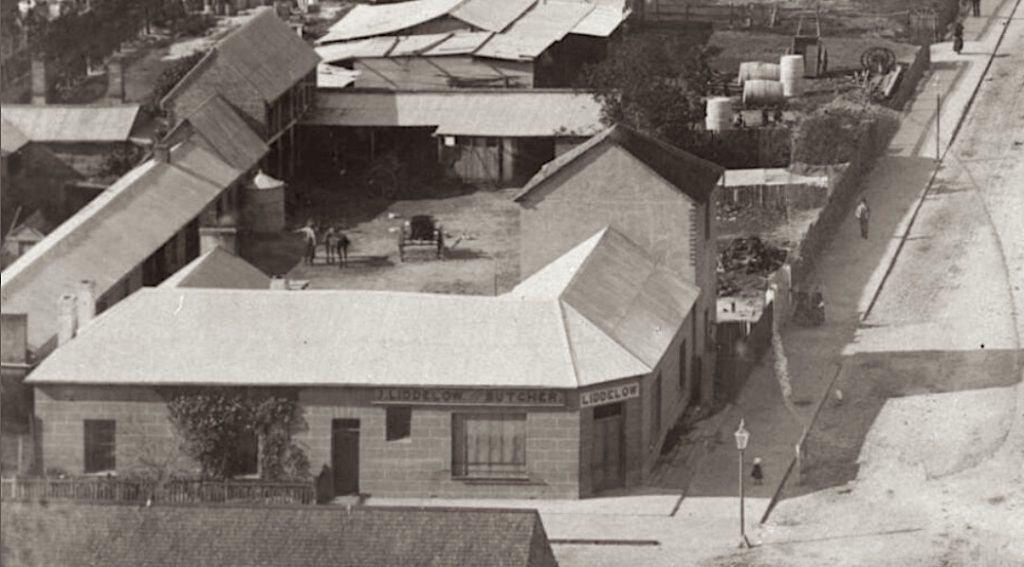
By 1883 James Dyson’s second marriage to Mrs Jane Edwards was well and truly over, and he had to move into the residence of his eldest surviving son Joseph, located on the corner of Murray Street and William Street. This was the second Dyson’s Corner. Whether James cast out Jane, or her step-son refused to receive her in his home, or Jane herself desired to be rid of the lot of them is not clear, but she went to work for John Liddelow, a general dealer and butcher as a housekeeper in his premises just a bit further down the road on the corner of Murray Street and Barrack Street. Liddelow was a social acquaintance, if not a friend, of her former husband, and might have thought he was doing someone a favour giving her a job. It would be a decision he would regret.
Liddelow’s Corner {image: SLWA]
The original Dyson’s Corner on the corner of Murray and King Street, post-Dyson ownership — continued a strange intersection with its former occupier’s fortunes. That will be the subject of part two.
Joseph Winterbottom was the old bastard pursued by Oldham police across the border from Lancashire into the West Riding of Yorkshire in the summer of 1833. Arrested by the Halifax Constabulary, he was immediately identified by visiting Oldham bloodhound Heywood as a known rogue and vagabond, and proceeded to squeal like a pig, identifying the four men who were his accomplices in robbing a local Halifax man on the road that previous night.
But when the case went to trial, Winterbottom was not among those in the dock. Instead he was a witness for the prosecution against those four much younger men for whom he was probably the leader of this most DESPERATE GANG OF ROBBERS™. For this base treachery, his sometime associates were sentenced to seven years in Van Diemen’s Land. Winterbottom, walked free, at least for a time.
When they finally got him, it was for stealing “five fowls, commonly called hens” in 1837, and was sentenced to fourteen years transportation. He was forty-four years old by then, so he was nearly twice the age of the associates when his evidence had sent them out before him. He was born about 1791 in Oldham and was quite literally a bastard. When he was baptized in St Mary’s Church, Oldham on 2 June 1793, his mother Hannah was still a spinster (i.e. unmarried) and his father was identified as one John Collinson.
There had been at least two convictions before his final one, he served three years in Salford Gaol from 1815 for a crime I can’t quite interpret from the record, and another for stealing calico and thread; a very Lancashire crime! Once in Van Diemen’s Land, he was convicted for stealing potatoes, but still, he received his Conditional Pardon on 7 July 1846 and full freedom on 5 April the next year. But not for him a return to England or a new life in the other colonies; the next year he was dead, in the district of Brighton, in what was yet to be re-named Tasmania.
Did his path ever cross any of those he betrayed? Unknown.
But on the record of death was a simple two line item:
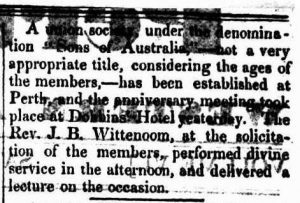
Sometimes its just a name that piques your interest. Sometimes names are all you have. The Sons of Australia Benefit Society was formed in January 1837 and it’s final meeting was held in August 1897. For sixty years it seemed to be an ever-present feature in the social fabric of Perth, Western Australia— and then it was gone.
Swan River Guardian (WA : 1836 – 1838) Thursday 16 November 1837 p250The Perth Gazette and Western Australian Journal (WA : 1833 – 1847) Saturday 20 January 1838 p10
Most of what there is to know about the society comes from the contemporary press. There was no mention of it in the Perth Gazette and Western Australian Journal, supposed paper of record in the colony, until it’s first anniversary (and then it was a snide one). This was certainly due to the rivalry between that rag and the editor of the Swan River Guardian, William Nairne Clark. It had not always been that way— back in 1833 the Perth Gazette and Western Australian Journal had written in similarly approving terms of a benefit society newly established, named the Western Australian Union Society, but that same issue, it reported that W. N. Clark had resigned as secretary of the same. It does not seemed to have long survived his departure.
Nairne Clark should not be confused with Mr William Nairn, one of the society’s first trustees, nor should Mr William Nairn, blacksmith by trade, be confused with Major William Nairn, a prominent soldier/land owner in the colony’s earlier days. Mr Nairn’s son James was also a foundation member and both were members of the society’s cricket team that defeated an XI comprising the Gentlemen of Perth in a memorable match on 18 June 1850, despite the weather and the poor condition of the cricket ground. The umpire on that occasion was Alfred Hawes Stone. If Stone himself had been on a team it would have been with the Gentlemen, I suspect. He was a solicitor and Registrar of the Supreme Court. His younger brother, George Frederick Stone, if he had been playing, would probably have been on the Sons of Australia team, as in addition to being an up-and-coming lawyer and former Registrar of Births, Marriages and Deaths, he was also active behind the scenes in the formation of the society back in 1837.
It might be asked why did he interest himself in a similar manner. The answer was very simple, He felt it to be his duty. When only a child he was witness to an accident which befell a poor, honest, hard-working man, who, falling from a three-storey ladder, broke his leg. This man was helping to build the house in which he (the chairman) was destined for many years to live, and the poor fellow had in his rough but pleasant way always displayed a liking for him as a child. When the poor man was taken to the Dispensary close by I went also, and being anxious to know what the poor man would do for a living while he was unable to work, I inquired from one and the other till I found that he belonged to a Club, the members of which all put by something per week into a bag, while they were in work, for the benefit of themselves bye and bye, when they should be sick or out of work. I was so struck with this, and so relieved at the thought that my honest hard-working friend would not want while he was laid up, that as soon as I was old enough, I became an honorary member of the same society, and to this hour I believe my name still remains upon the books of the Society. (Loud cheers). From that time I have been always interested in the prosperity of similar institutions. I was at the formation of the society called “the Sons of Australia,” which in its infancy was thought to be a political society, and was regarded with an evil eye, but time has shown the vast amount of good that has been done by it, and it is now the wealthiest society in the colony. Like all other kindred endeavours for the public good, it had met with many discouragements, but he had done what little he could in conjunction with one or two others, and it was now a most flourishing society.
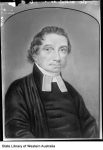
Stone alluded to distrust from the authorities in the earliest days and I would like to find more examples of this concern. The society was formed in the last miserable years of Governor Sir James Stirling’s administration. Although his noisiest critic (said W. Nairne Clarke, and the Swan River Guardian) were pretty well suppressed by 1838, it is extremely notable that the colonial chaplain, J. B. Wittenoom, was an early and public supporter of the new organisation. I think I have mentioned before that on the surface, Wittenoom should represent everything I detest about the early establishment in Western Australia. He was the only representative of the officially sanctioned state religion of England in Western Australia in the early colonial years, yet he seemed to spend as much, or more, time as a magistrate and school teacher, and yet more energy on social activities or looking after his family’s interests. When pressed, he had a petty streak that manifested itself when challenged by Wesleyan Methodists and the Evangelical factions in the Colony of his own Church of England— That said, his challengers were pretty damn insufferable themselves. Wittenoom had no reason to like W Nairne Clark or his paper, but neither did he have any reason to love the cronies around Stirling’s administration, who barely concealed their contempt for him even as they appreciated his geniality. In short, Wittenoom was no man of the people, but within his limitations he tried to do what was best for those within his remit, and for a supposed religious leader was refreshingly free of religious fervour.
It’s hard to find anyone find anyone with a bad word to say about G. F. Stone, chairman of the Sons of Australia in its first year — even Nairne Clarke is mild in his criticism, and by rights, being both in the legal profession and a government appointee to boot, he should have been a prime target for an all-out assault (Not being virulently attacked in the Swan River Guardian is about the highest praise you can get). But G. F. Stone was part of the ruling class and the whole purpose of Sons of Australia was self-help for the artisan class. Stone himself, modestly concedes he was only one of the founders. The others were probably:—
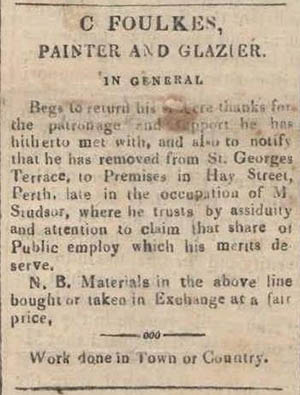
Charles Foulkes, a painter and glazier; William Nairn, a blacksmith; John Robert Thomson/Thompson/Tomson (no relation), a carpenter and joiner, William Rogers the Elder, a storekeeper. These four, along side Stone, were the first recorded managers of business for the Sons of Australia.
Charles Foulkes came to Western Australia in February 1830 on the Protector, a widower with an eight-year-old daughter. In 1837 he was forty-one and in addition to being the inaugural secretary of the Sons of Australia, was also secretary of a mysterious organisation called LODGE 1: The Philanthropic Society of 40 Friends. Now, its possible that this is what the Sons of Australia Benefit Society was called in it’s first year. There is no mention of it in the papers before or after 1837. A LODGE 2 spin-off was attempted in Fremantle the same year but vanished without trace.
Now confirmed: Lodge 1 & The Sons of Australia are one and the same.
The fourth anniversary meeting of the “Sons of Australia Benefit Society” took place on Tuesday, 19th instant, and we were well pleased to observe the unanimity and good feeling manifested on the occasion. The members, to the number of about forty, moved in procession to the Church, accompanied by the Rev. the Colonial Chaplain, who delivered an eloquent and appropriate lecture, illustrative of the benefits and objects of the Society. The reverend gentleman impressed upon his hearers the necessity for good conduct, by which alone the very useful objects the members had in view could be carried out, and expressed his approbation of the general state of the Society.
The members returned from Church in the same orderly manner, to dine at the United Service Tavern, where an excellent dinner was provided for them; Mr. Charles Foulkes in the chair. After the cloth was drawn, the usual loyal toasts were given, and the evening was passed in harmony and good fellowship. The Rev. the Colonial Chaplain intimated that his Excellency the Governor had requested him to convey to the members his cordial approval of the objects of the institution, and his satisfaction at the flourishing state in which it then was ; in proof of which a donation from his Excellency was at their service in aid of the funds.
This Society was instituted in the year 1837, at the instance of a large body of the operative class, and is for the relief of members in sickness, old age, and infirmity, and for the providing certain sums for the decent interment of the members. It is the first institution, in this colony, of a kind that has done so much good for the labourer, mechanic, and artisan, in England, and in other old countries, and it seems to us to be especially requisite in this land, where there is, as yet, no public institution for the reception of the aged and infirm. The rules and orders by which the Society is regulated appear to have been very carefully drawn, and entirely free from objection : especially we are glad to observe that all political or religious discussions are expressly forbidden.
That same anniversary meeting, the society unfurled their new banner, under which they would march for many years to come. Like their organisation itself, their emblem was a shameless knock-off from the International Order of Oddfellows: A hand touching a heart. By 1841, the Sons of Australia were thoroughly respectable. Stirling’s successor as Governor, John Hutt was himself the society’s patron, and later that same year, future treasurer and chairman James Dyson would arrive in the Colony (but no record survives of when he actually joined).
But for Foulkes, he would not have the chance to benefit from what he had started; he resigned his offices in 1844 and the next year followed his grown daughter to the new colony of South Australia where she married. It was not a successful move for her father:
[…] The thing which it is chiefly important that our readers should know, is, the statement which Mr. Steel (who has returned to this colony in the Paul Jones) makes relative to the prospects of employment in Adelaide, and the condition of those persons who, deluded by specious representations, and their own restless spirits, have lately gone to South Australia. Mr. Steel says that hundreds of persons are walking about Adelaide unemployed; that Mr. Foulkes (whom all our readers well remember) has not had a day’s work since his arrival in Adelaide; and that there is scarcely one of those who left this place for Adelaide who would not gladly return, if it were in their power.[…]
Worse, a copy of the Inquirer made its way back to South Australia…
It is quite evident that Mr Steel was not suited for this colony. The statement of hundreds of people being idle in Adelaide is grossly false. Instead of such men as Mr Steel, we want some good laborers[sic]. For example, if all the bullocks, drays, and draymen, were transported from Swan River, we could guarantee them employment.
Steel had been verbaled and as he had planned to return to South Australia with his family, he was furious. But Foulkes had been identified by name and he was stuck there as a walking example of a b—y insular West Australian. By 1852 he was declared insolvent. At some point between then and his death aged sixty-one, he took the only course of action open to one with no options left—he moved to Victoria.
Age (Melbourne, Vic. : 1854 – 1954), Wednesday 22 July 1857, page 4
It will not be often that one of my research subjects get to speak in their own voice, but Charles Foulkes is one rare example who has become just a little bit more than a name on a page. He seems to have liked a drink occasionally— On one occasion in Ougden’s Tavern during 1835 he was involved in an altercation where he was drunkenly accused of being a convict. Foulkes took great offence (although it was not he who was up on assault charges later on). He must have had some sort of not-entirely-respectable-reputation for when he stood to speak at a temperance meeting held in 1841, the Methodist minister in the chair attempted to suppress him hard.—
Mr. Foulkes rose to make a proposition. The Rev. Mr. Smithies said he should not do so. Mr. Foulkes,—I a British born subject —am I to be put down in this way before I have opened my mouth ? As a minister of the gospel, Mr. Smithies, you are bound to hear me candidly and dispassionately; I have not disgraced myself; I came here with a friendly feeling to the society ; and I have a strong interest in its welfare. I do no advocate it by gab, but in my breast. I feel how its best views can be promoted. Mr. Smithies—I will show you how you are interfering with the progress of the meeting by authority forthwith, (one of the rules of the society was then read which enforced the propriety of conveying instruction on the subject of temperance, and not admitting any disquisition.) The chairman requested Mr. Foulkes to proceed if he had any thing to state in conformity with this regulation. Mr. Foulkes—I have been put out, for every body knows that all men’s ideas ebb and flow. Mr. Smithies is a good sort of man in his way, but he is not in my line of life, or he would not have said I have no right here ; I am perfectly sober, and have not had a glass of spirits in my house for many months. But if I were drunk I should be the proper man to remain here, and to be listened to; it is not the sober you seek to reclaim but it is the drunkard, and the more drunkards you could assemble the better. I don’t come here with any cut and dried bits of speeches; I tell you my mind and you don’t seem to like it—now to disappoint you, as you at first put me out, I’ll not make a speech at all. (Laughter.) Mr. Smithies—sit down, or I will say something will make you look queer. Mr. Foulkes—I say, say it! you come it very queer!
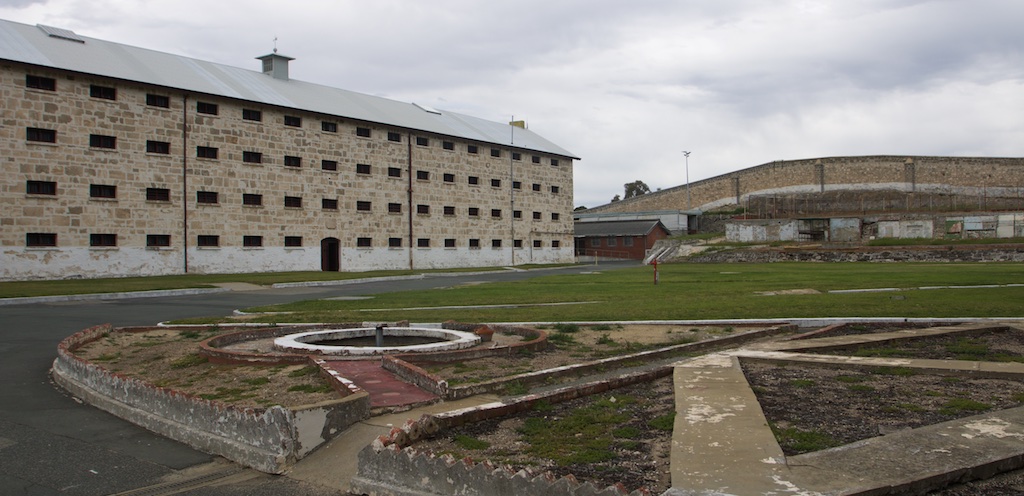
Under Fremantle prison there are a network of tunnels. Why would you build such a thing?
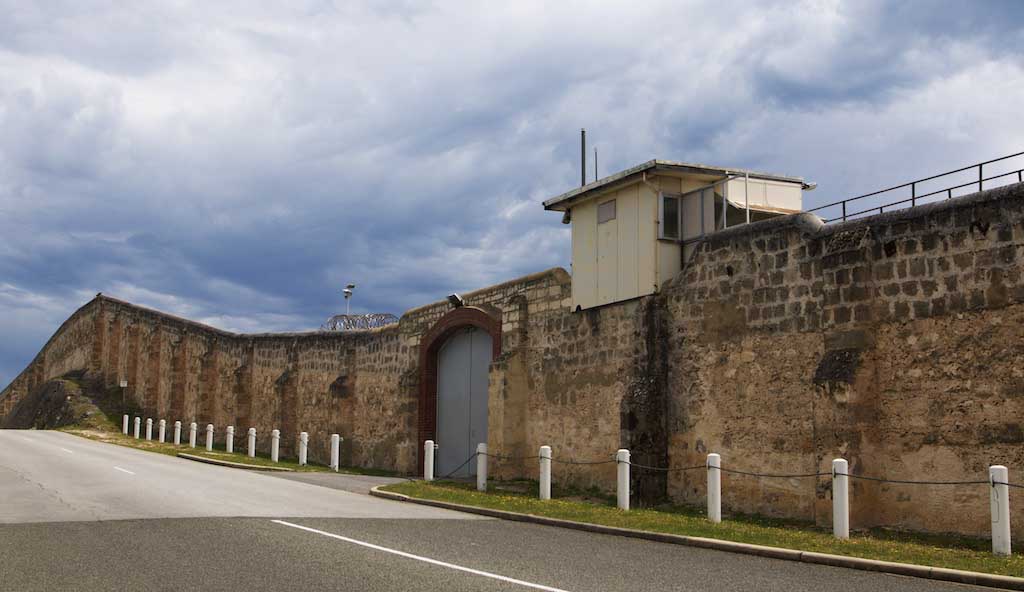
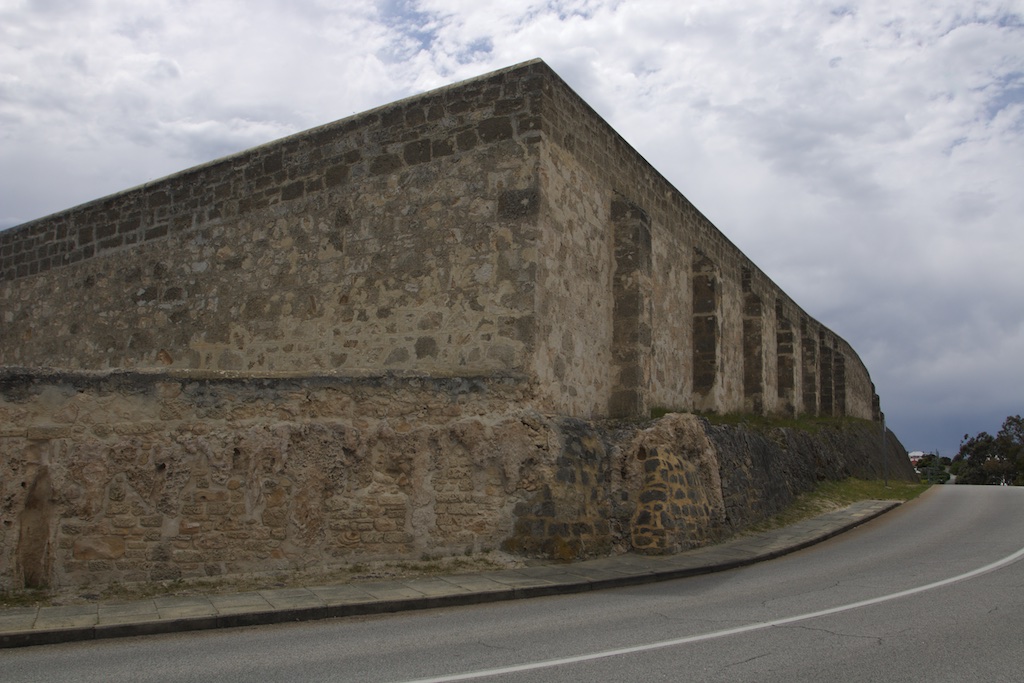
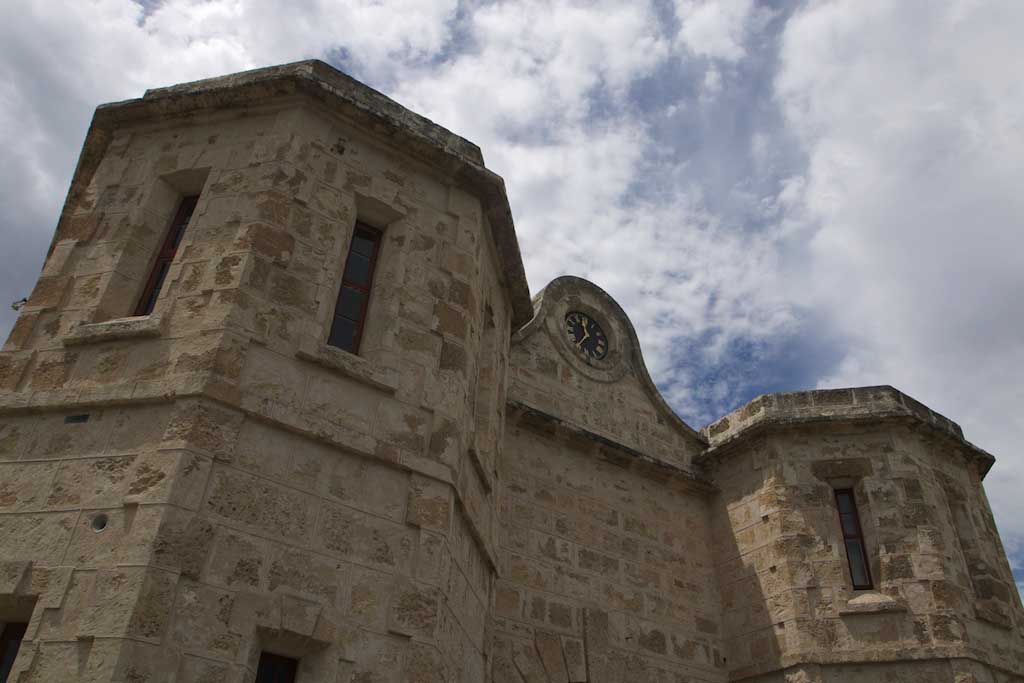
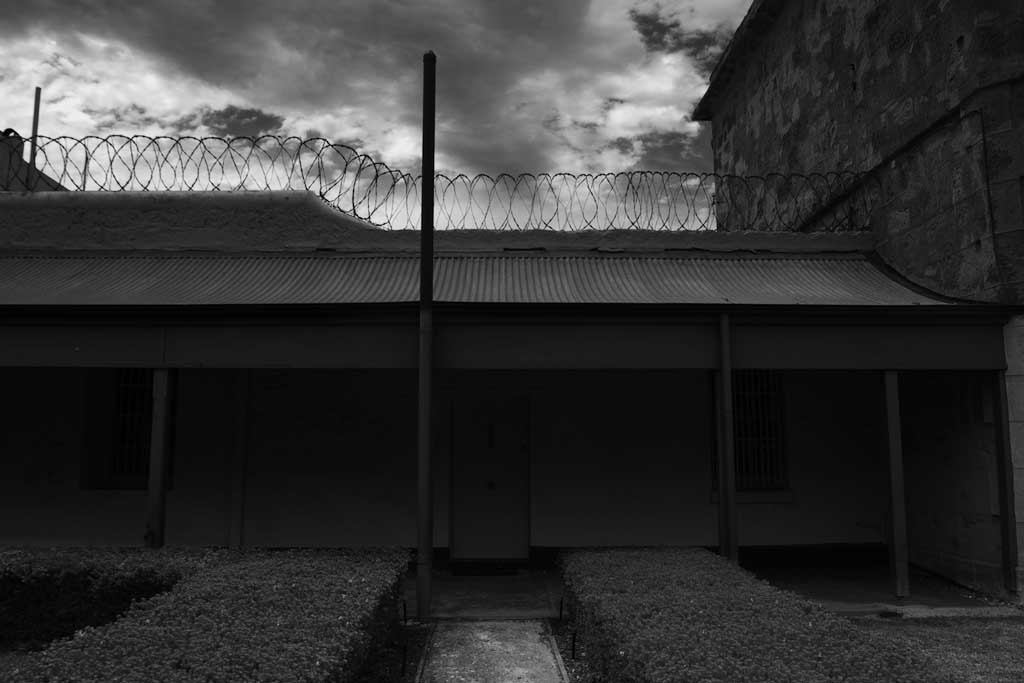
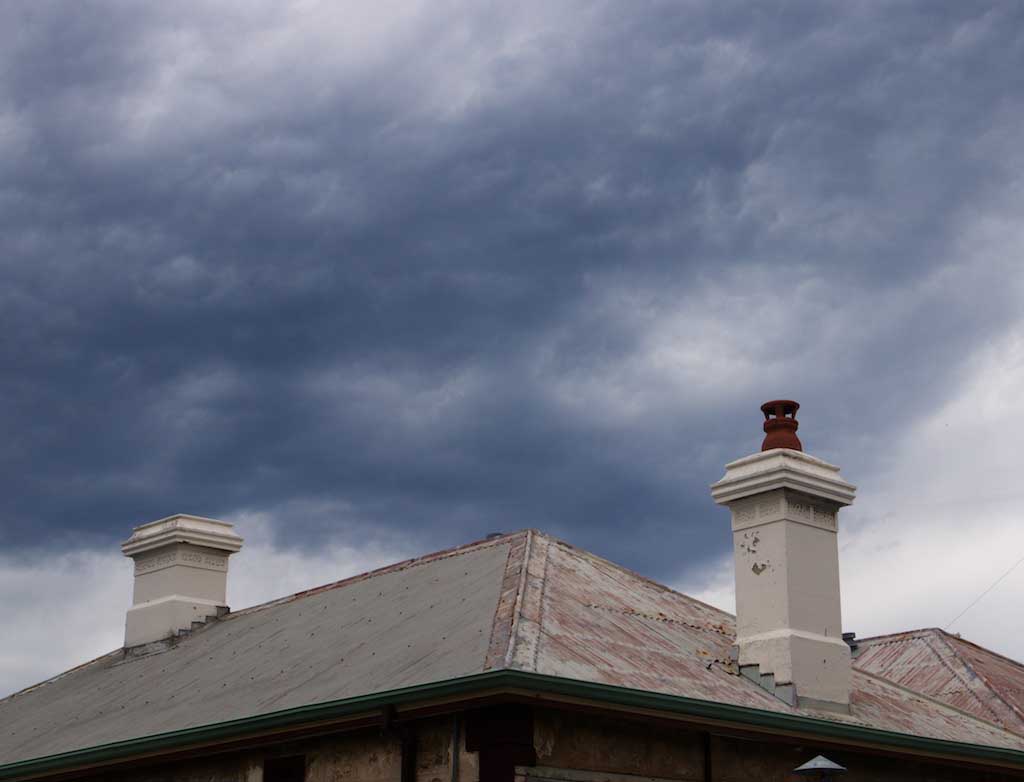
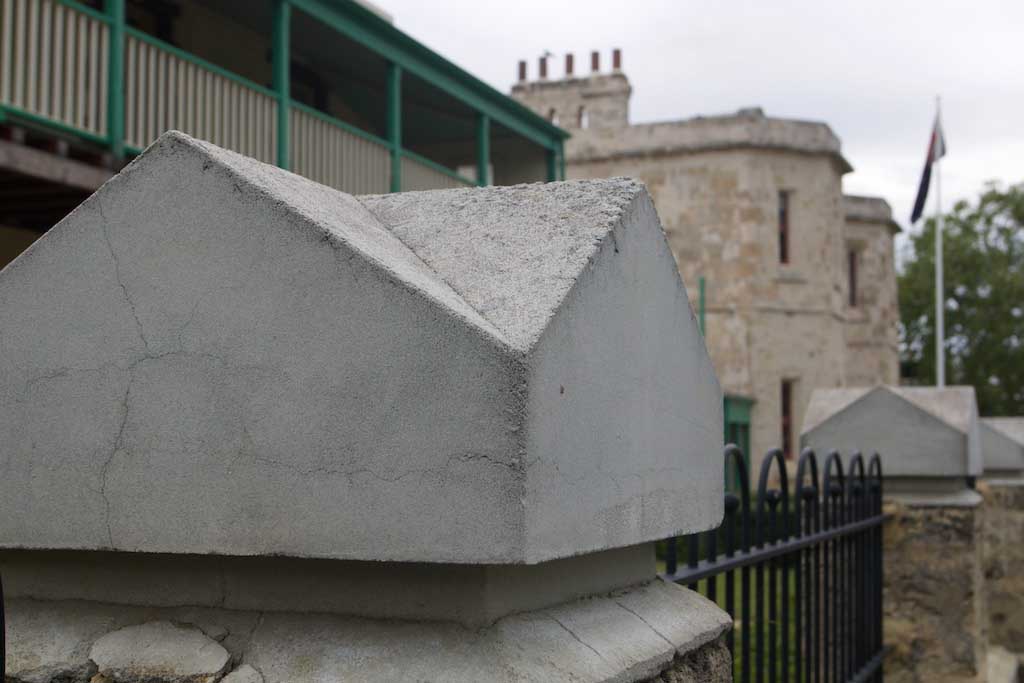
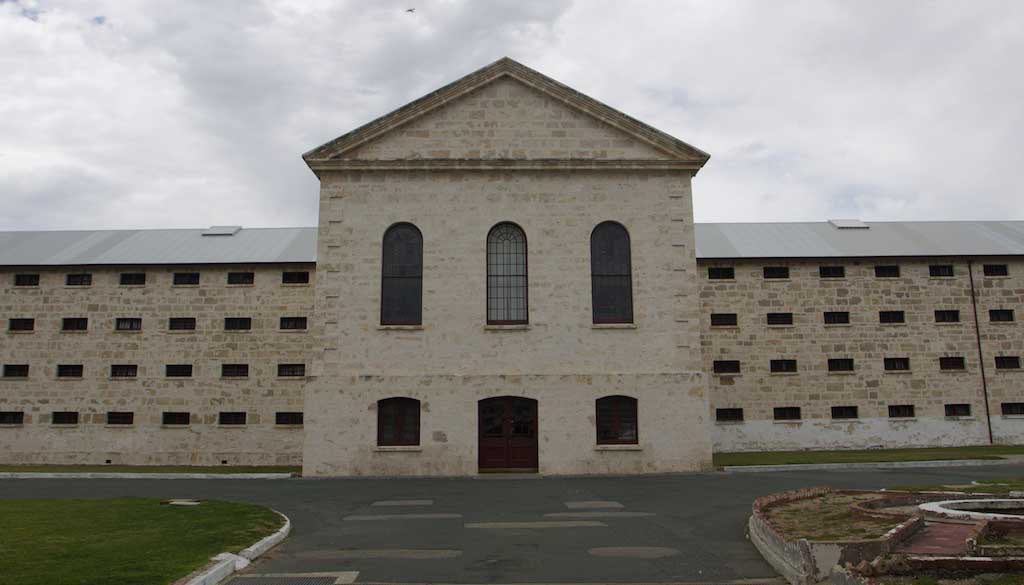
A visitor who spends any time in the port city of Fremantle will have a hard time missing the high pale limestone walls overlooking the town, dazzlingly yellow in the sunlight but grey and oppressive on a cloudy day. For most of my lifetime they have been an ugly annoyance, it was only after they stopped being what they were designed for that I, and I suspect most Western Australians, really began to understand this place and its importance to our history. Perhaps for the next generation with no direct memory of it as a functioning high security prison, they may even grow to love it.
Fremantle Prison stopped being a working gaol in 1991. At the time, I doubt many of us realised how long it had been in existence. It was constructed in the 1850s by the first cohort of convicts to be sent to the Colony of Western Australia from Britain. Their arrival signalled the transformation of this place from a community of free settlers to a penal settlement. Originally known as the Convict Establishment, it only later became the primary jail of the Colony and then the State.
Port Arthur in 2017
The closest comparable surviving convict structure in Australia have to be the ruins of Port Arthur in southern Tasmania, however they are ruins. The Convict-era built portion of Fremantle Prison survived fires, riots and earlier eras that would have seen the whole lot bulldozed for a block of flats had it been decommissioned before the date it was (or after).
Now it is a museum, and part of a world heritage site. I got to visit it properly for the first time today and it was wonderful.
I did not visit the main complex, but instead was treated to something rather special. Underneath the old gaol are a network of tunnels and shafts deep into the limestone. Once so filled with water that the prisoners who hacked out these tunnels by hand were waist-deep (and work was only halted when the water reached neck height), those of the tunnels that have not dried out (nearly) completely are navigable by boxy shallow canoes. In full safety gear — harness, hard hat, life jacket and thick rubber boots — we descended a narrow ladder many dozens of metres down to the sea level, and for two-an-a-half hours we traversed the tunnels by foot or by canoe, modern replicas of those rowed by convicts a century-and-a-half before. It was an amazing experience. I have no photos of down there because a) it would have been too dark, b) no images would have done the experience justice. If you had a go-pro or similar which you could have strapped on to your hard hat you might have got something vaguely satisfactory.
Thank you my wonderful friends.
The Prison tour’s web site has some images of down there, but they too do not do the site justice. Access to the interior of Fremantle Prison is only available as part of an organised tour. This was my first proper excursion so I look forward to seeing more on future visits. You should visit their web site for times and prices.
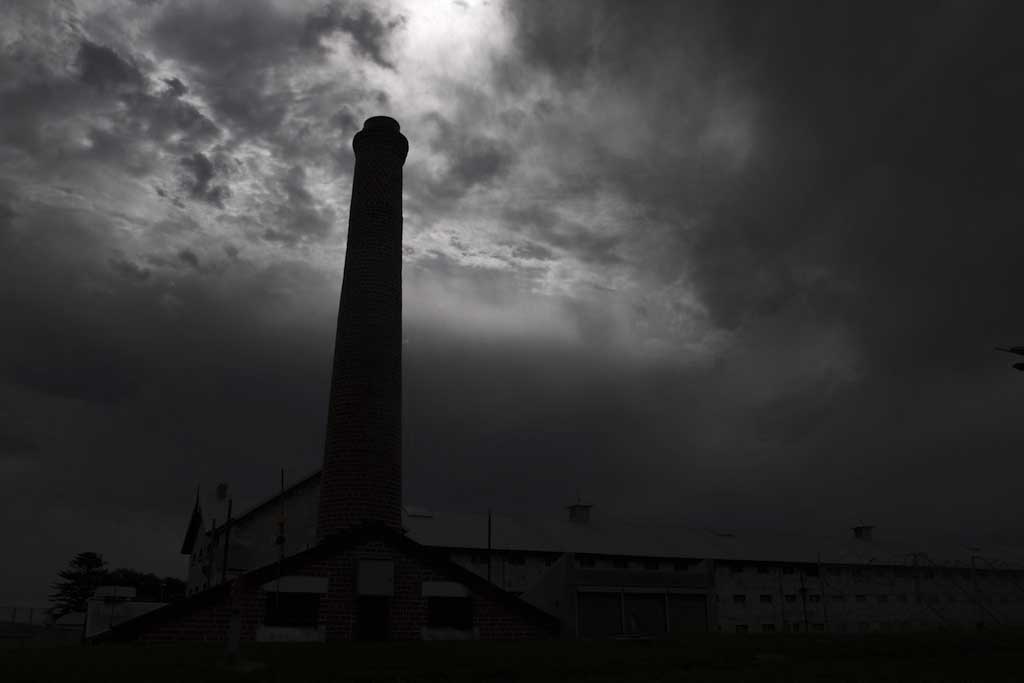
So who is the spectral figure in the banner image of this web page?
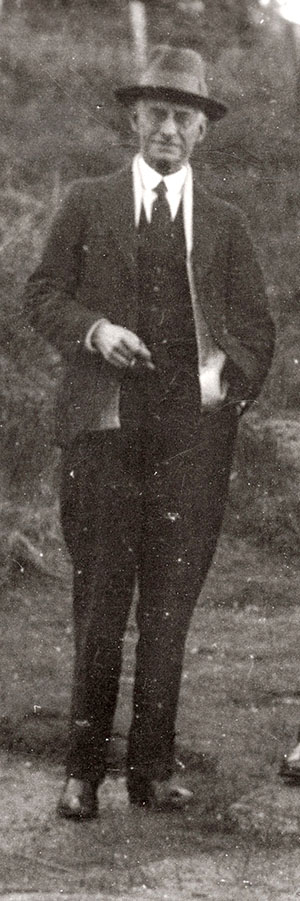
Albert Grigg c 1935 [family collection]
Albert Grigg (1877-1942) was a Fremantle City Councillor for twelve years from 1923 to 1935. By the time he was elected to council, the tunnels under the prison had been out of service for ten years. Since the 1880’s they had been used as a giant cistern for the town of Fremantle’s water supply. Prior to that time, wells in the sandy ground of the town itself provided the drinking water requirements. Unfortunately other holes in the ground were far to close to those wells were being used as toilets. What came in one hole came out into the other. I’m not going to draw a picture for you.
Scheme water came to Fremantle in the 1910’s which was just as well, as the water from underneath the gaol was growing increasingly unpalatable. Too much water had been sucked out of the ground, and seawater was percolating though the limestone. If Cr Grigg should be remembered for anything today (and I do believe he does deserve to be remembered for any number of things), it should be that he fought long, passionately and hard for, and achieved during his time in office a proper sewerage system for Fremantle. It was thanks to people such as he that when you turn on a tap of water today, you are not drinking your own shit. Oh…
Sunday Times (Perth, WA : 1902 – 1954), Sunday 26 March 1933, page 8
But Grigg had another, even closer connection with the Fremantle prison (and no, he was not an inmate… as far as I can tell). In 1933, toward the end of his civic career, he did what he did best — stir up a hornet’s nest. He recommended that the the Prison be removed. I probably shouldn’t breath a deep sigh of relief that on this occasion the state’s finances and public opinion were not on his side… this time. (he was my great-grandfather, after all) — but still, if the prison had been relocated in the mid 1930’s it is unlikely that any of the colonial structure would have survived to this day.
The Sunday Times newspaper loved Grigg on the whole (He was so fiery in council he could produce columns of reportage), so that is possibly why they were so kind to him on this occasion and did not draw attention to what must have been bleedingly obvious to pretty much everyone else involved in the debate — Cr Albert Grigg and his family lived on Ord street and Hampton road, immediately on the northern perimeter of Fremantle Prison. If anyone was going to personally benefit from the removal of a high security prison on his doorstep it was going to be he. My aunt, in the late 1930’s to early 40’s, remembers the chain-gangs of prisoners under armed guard shuffling past her grandfather’s house on the way to their work area.
One wonders how much more agitated Councillor Albert Grigg might have got if he realised that the former water storage tunnels extended outside the perimeter of the prison and along Hampton street itself. If any prisoner had ever used the tunnels for an escape attempt, they might have literally ended up in his backyard…
Historians are not supposed to ventilate opinions like this. Actually, when studying for my degree we were also not supposed to write in the first person (Is there not an “I” in history?). I don’t believe we as historians have any licence to make things up. I also don’t believe we have any right to ignore evidence we find inconvenient to our beliefs. That’s why this particular article I have found so hard to write. But I do not love Maitland Brown, and on re-examining the evidence on which I base my opinion I am able to sharpen the focus of my intense dislike.
His parents arrived in the Swan River Colony in 1841, the same year as the first of the Dysons. Maitland Brown was born on the family property Grassmere in the York district east of Perth in 1843. At age twenty-three he was appointed the youngest magistrate in Western Australia’s history for the Greenough district. At age twenty-eight he was an unelected member of the Legislative Council nominated directly by the Governor for the first session of representative government in the Colony. Not re-appointed due to his fierce independence, he was elected in his own right as representative for Greenough, and then, when he felt that his evolving opinions did not match those of his electorate, changed seats to represent the region of the Gascoyne. In the run-up to responsible government that was finally achieved by Western Australia in 1890, it was widely believed that he would be the Colony’s first premier, being de-facto leader of the opposition to the Governor’s administration.
Instead, in 1886 he resigned to become regional magistrate for the Geraldton District, a post he held until shortly before his death in 1904.
Tosser
He was easily one of the most popular identities in the colony during most of his lifetime, enjoying the respect of those in the highest authority even if they did not always appreciate his (at all times) brutal honesty. That honesty of opinion was indistinguishable from arrogance. But it can also be difficult to disentangle the arrogance, pomposity and outright xenophobia actually perpetrated by Brown from that ascribed to him by his enemies or exhibited in the attitudes of his champions.
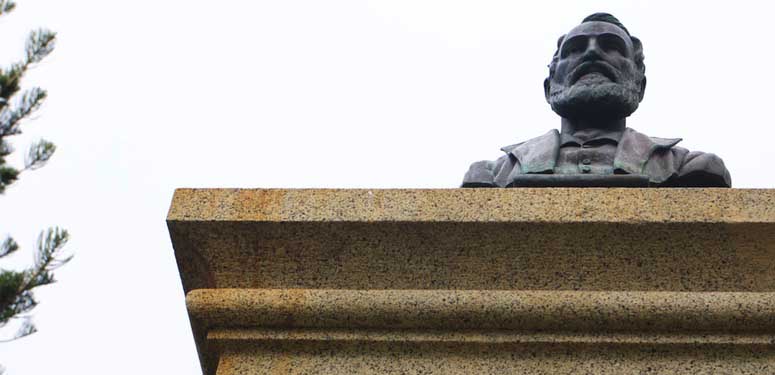
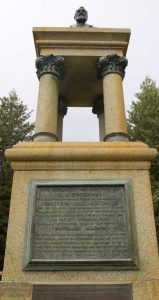
A statue was erected in his memory on the Esplanade in Fremantle a decade after his death. It was erected in commemoration of the event that made him famous not only in Western Australia but across the British Empire. This monument was recently (2017) brought back into public attention by a controversy that broke out the other side of the world, concerning memorials from the American Civil War that celebrated the slave-owning class that lost that particular conflict (even though they — arguably — won the peace). The argument was that they should all be removed.
Maitland Brown’s own memorial was amended late last century to reflect the reality that since the late nineteenth and early twentieth century, opinions (if not the facts on which those opinions were based) had changed about what made Brown a popular hero. The changes on Maitland Brown’s memorial were held up as an example of the right way of dealing with such an issue. Here is the amendment:
THIS PLAQUE WAS ERECTED BY PEOPLE WHO FOUND THE MONUMENT BEFORE YOU OFFENSIVE. THE MONUMENT DESCRIBED THE EVENTS AT La GRANGE FROM ONE PERSPECTIVE ONLY: THE VIEWPOINT OF THE WHITE ‘SETTLERS’ no mention is made of the right of aboriginal people to defend their land or of the history of provocation which led to the explorers’ death. the ‘punitive party’ mentioned here ended in the deaths of somewhere around twenty aboriginal people the whites were well armed and equipped and none of their party was killed or wounded. this plaque is in memory of the aboriginal people killed at la grange. it also commemorates all other aboriginal people who died during the invasion of their country LEST WE FORGET MAPA JARRIYA-NYALAKU
Brown was among the first generations of settlers born and — critically — educated during the Colony’s early years. The first settlers in the Western Australia could shoot Aborigines and steal their land (not necessarily in that order), but then they had to agonise about the morality of what they they had done afterwards, even as they loaded down their freshly cleared properties with sheep and cattle to an extent that soon what they had appropriated was over-grazed and exhausted. Then they would have to start all again in a new district, with new round of dispossessions.
The Brown family’s property in the York district was one such example. Pastures new were next taken in the Champion Bay District (Geraldton and Greenough). Glengarry and Newmarracarra were names of their properties. But soon even this district was showing signs of exhaustion. The teenaged Maitland first came to prominence as a member on an expedition into the Pilbara region commanded by Frederick Gregory in 1861. He got a river named after him.
Four more horses were safely landed this morning, and we were returning to the vessel for another pair when a party of fourteen natives made their appearance at the camp. At first they came boldly up, but on a gun being discharged as a signal for my recall, they appeared much alarmed, although they would not go away. […] I therefore tried at first to make them understand that we had taken possession for the present, and did not want their company; they were, however, very indignant at our endeavours to drive them away, and very plainly ordered us off to the ship. It was very evident that our forbearance was mistaken for weakness, and that mischief was preparing. I accordingly took hold of one of the most refractory, and compelled him to march off at double-quick time, when they all retired to some rocky hills overlooking our camp, from which it was necessary to dislodge them. Taking Mr. Brown with me, we climbed the first hill, which made them retreat to the next. Resting ourselves for a few minutes, and taking a view of the surrounding country, we were just on the point of returning to the camp, when we observed three armed natives stealing down a ravine to the horses, evidently with hostile intentions, as they shipped their spears on getting close enough to throw; we did not, however, give them time to accomplish their object, as we ran down the hill in time to confront them, on which they took to the rocks. Seeing that it was now time to convince them we were not to be trifled with, and to put a stop at once to what I saw would otherwise terminate in bloodshed, we both took deliberate aim and fired a couple of bullets so close to the principal offender, that he could hardly escape feeling the effects of the fragments of lead, as they split upon the rocks within a few feet of his body. […]
However it was Brown’s bushmanship rather than his bulletship that next gained him the notice and respect of the powers-that-be.
Boggis, Bunce & Bean.
Thus it was that in 1864, aged only twenty-two years of age, he was appointed by the Governor of Western Australia to lead an expedition up into the north to locate three explorers gone missing in the Kimberly region. The country was south of present day Broome, near Bidjydanga (which is the reclaimed name of a settlement the colonisers insisted on calling LaGrange). One of the missing men was James Harding, who had been a colleague and friend of Brown on Gregory’s expedition. Harding stole the name of Ngurin, a river sacred to both the Yindjibarndi and Ngarluma people in the Pilbara.
During the 1980s, a dam on that river also bearing Harding’s name destroyed many sacred sites. The cruel irony for the custodians of this land was that because the sites were sacred, they were not permitted to discuss them with the uninitiated. Even then, betraying a sacred trust to white anthropologists would probably have not saved their country from the politicians in Perth, heirs as they were of Maitland Brown.
From the journals recovered from the bodies of Panter, Harding and Goldwyer by Brown, it is clear that the three had barged into a sacred ceremony of some sort being conducted by the Karrajarri people. Rather than obeying the message clearly shouted at them and understood that they were not welcome, the intruders instead fired shots at the locals, forcing them to flee. With the sublime arrogance that only a nineteenth century man of European extraction could possess, they seemed incapable of perceiving this might be provocative, or that retaliation could possibly be meted out to them for this infraction. Hence, a few nights later, the three were bludgeoned to death in their camp as they slept.
Maitland Brown had been given authority by the Governor to take any action he chose to find the missing explorers, so his first act was to kidnap an Aboriginal man as a translator. That man escaped, but he was recaptured the next day before Brown could carry out the threat to hang one of the many other prisoners he had in custody each night until he was returned. This Aboriginal man was quite unconnected with the killing but nevertheless could speak the dialect so he was put in chains. The two guides who eventually lead Brown to the bodies tried to run away and were both summarily killed by being shot in the back.
Australian News for Home Readers (Vic. : 1864 – 1867), Friday 25 August 1865, page 1The Perth Gazette and West Australian Times, 19 May 1865, p. 2
Panter, Harding and Goldwyer’s remains were repatriated to Perth where they would receive possibly the largest funeral the colony had seen to that date. But Maitland Brown had further work to do. He continued to hunt those who might have been responsible for the death of the Europeans. Lockier Clere (L. C.) Burges (junior) was a member of Brown’s expedition. He observed that
“the Aborigines [of the Kimberley] were accustomed to fighting Chinese and Kanakas who had in the past raided the coast, […], and tried to carry off the native women.”
[Cowan: p89]
So Brown would have understood that the Aboriginal people of this region would fight to defend themselves. When he blundered into their camp he realised that an ambush was then being prepared for him. Outraged at their impudence, he did not retreat to safety but instead charged, rifle and pistol blazing.
Afterwards, six Aboriginal men were outright dead and a further dozen so injured as “not expected to survive” (no white man later checked) so the death toll among the Karajarri from the settler records cannot be exactly estimated. One British horse was slightly injured. Brown had achieved all he had hoped for. Before he set out, he recorded his desires.—
“[…]But I trust that throughout the whole trip there will be no necessity for capture — that not only amongst this lot, but also amongst all others we may meet, the guilty natives, if such there are, will either attack or resist us in such a manner as will of itself justify us in exterminating them.”
[Cowan: p80.]
So he did, and thus he became a hero and role-model for all the xenophobes in the land. As one of Brown’s victims expired before him, he would write:
I had him questioned as to the names of the murderers of our late friends ; he said distinctly that he was one, and that B was another, but would not tell another name; he never uttered a groan, but died as he had lived—a savage.
The journal of Brown’s punitive expedition was published unexpurgated in the local paper on his return to Perth. Some of the more thoughtful, including those in officialdom, did question Brown’s judgement, not just of his actions, but of the wisdom of so honestly telling of what he had done, and why. Nevertheless, Brown was now a local hero, and what was even more important, of a respectable family and a property owner to boot. He was appointed Justice of the Peace and a Regional Magistrate the very next year. His meteoric political rise (nearly) to the top had begun.
The Perth Gazette and West Australian Times (WA : 1864 – 1874) Friday 21 February 1873 p3
There was a rising cohort among the settler population that had been born in Western Australia, and while they might identify as British, their place in Western Australia was all they had ever known, and while they might be only a tiny portion of a British Empire, on the western third of the Australian continent, it was here they would rule as the biggest fish in a very small pond. The path towards representational and then responsible government in Western Australia had begun. As the native-born white-men’s authority increased, so did their intolerance for anyone who wasn’t them. They bridled under regulations imposed by outsiders, that seemed determined to thwart them murdering whoever they felt like. Maitland Brown was their champion when he defended former expedition member L. C. Burges’ right to have shot to death an aboriginal man in the north over the theft of a saddle. Burges was sentenced to five years imprisonment for manslaughter (remitted to twelve months). This conviction was considered an outrage by the colony at large. I’m not terribly proud to see James Dyson’s name on the petition for the conviction to be overturned. (It might be son Joseph, but I doubt it) Certainly no white man has ever permitted to be sentenced to a heavy penalty (even if he could be convicted for it) for this crime in this state again— even to this day. Please, someone send me some evidence that I’ve got this wrong.
Brown’s family arrived in the colony the same year as James Dyson, but with immeasurably more assets. They had the cold hard cash to buy their first property already established in the Avon valley on arrival, and the family connections to form ties to the land owning elite. Peter Cowan, in his biography of Maitland Brown, notes that while the landowning squatter class of which Brown was the epitome appeared wealthy on the surface, they still had to work extremely hard to maintain it. [p. 65] So they may well have done, but they still operated from a position of privilege denied to those who had nothing. Brown was an opponent of Responsible Government (versus Representative Government, which he participated in) as he did not believe non-property owners (i.e.: riffraff ) should have any citizenship rights at all.
Brown eventually changed his mind on responsible Government and seemed destined to become the Colony’s first premier. But he did not. A combination of economic, family and personal issues combined— not to necessarily defeat him— but to induce him to chose another path, and as Resident Magistrate for Geraldton he virtually was the government of that district (according to the Australian Dictionary of Biography).
Sunday Times (Perth, WA : 1902 – 1954), Sunday 24 April 1927, page 14
And now comes the reason I write about a subject I find so personally repugnant. At the very height of his (quite frankly) terrifying influence overt the public life of Western Australia, a scandal broke that demonstrated there were limits to even his influence, and that maybe not all white Western Australians were so enamoured with their hero. And it seems James Dyson might just have played a role in his downfall, just as Brown or his many supporters, in the aftermath, might have had a hand in his.
So it might be concluded that partly due to my Dysons, Maitland Brown did not become Western Australia’s first premier. Instead we got the Forrest family.
Oh f—.
Bibliography
Cowan, Peter. 1988. Maitland Brown, a view of nineteenth century Western Australia. Fremantle Arts Centre Press.
Back in 2013 I wanted to re-invent myself. I had been researching family history for a few years and I had collected so many interesting facts and stories that I felt I needed to expand my skills in actually presenting this information in a form that was interesting and engaging to some one who wasn’t only me. My first university experience had concluded with a Bachelor of Arts degree in Graphic Design with honours, somewhat over two decades ago. This time I wanted to study History.
But in early 2014 my plans were derailed when in late February I needed to go into hospital for some urgent but routine surgery. It all went wrong. Badly wrong. For all intents and purposes I died on the operating table— was unconscious for quite few days after that— then in hospital for over a month (including a second operation to fix the things they had botched the first time around). I was in constant discomfort and weak for the six months afterwards. I had wanted a fresh start, but this was not quite what I had in mind… I was probably was not yet fully recovered physically when I started a single Honours year in History at Murdoch University in the second half of 2014, as preparation for a full Master’s degree or even a PhD in Western Australian history.
Francis Fraser Armstrong.
I did successfully complete that Honours degree in 2015, but I have yet to follow up on any postgraduate study. The subject for my thesis was (and no surprise here) a distant ancestor called Francis Fraser Armstrong. Armstrong was one of the first British settlers in Western Australia. He was a teenager when he arrived in 1829 with his family, and was among the first Europeans to learn the language of the Aboriginal people of the region fluently. Thus at a critical juncture in the history of the Colony, he became the official interpreter between the two peoples. Whether he was a force for good or evil, you are going to have to read my thesis yourself to make that judgement.
A lot of good people assisted me in the writing of this work, so it should go without saying than any errors are mine and mine alone. I do stand by the facts as I present them here but I have to acknowledge that new knowledge will most certainly come to light. But these were my thoughts in 2015.
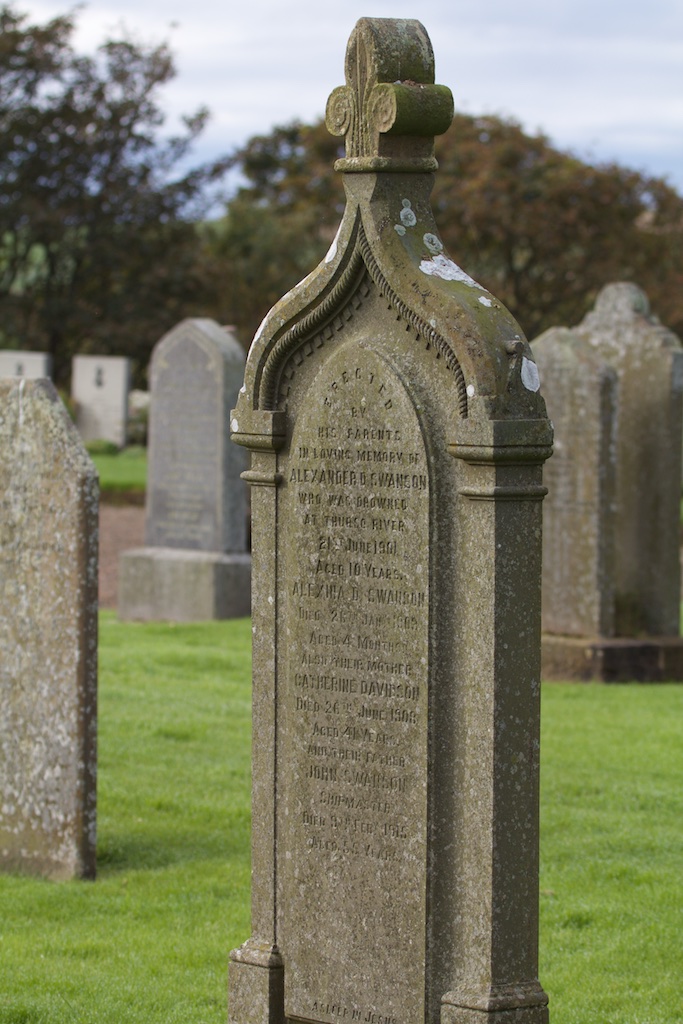
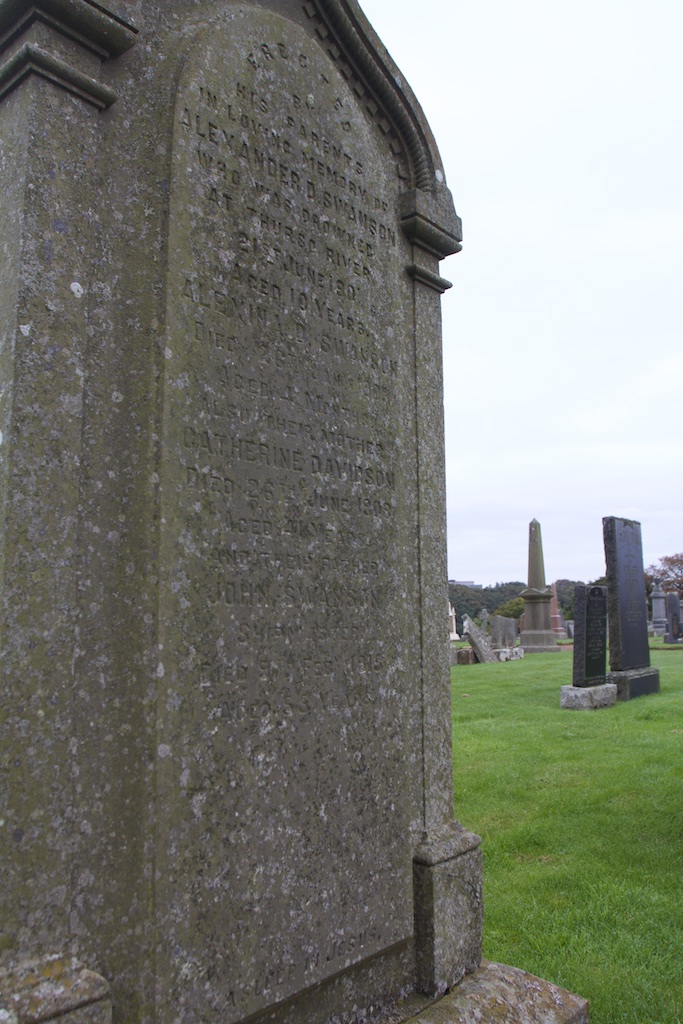
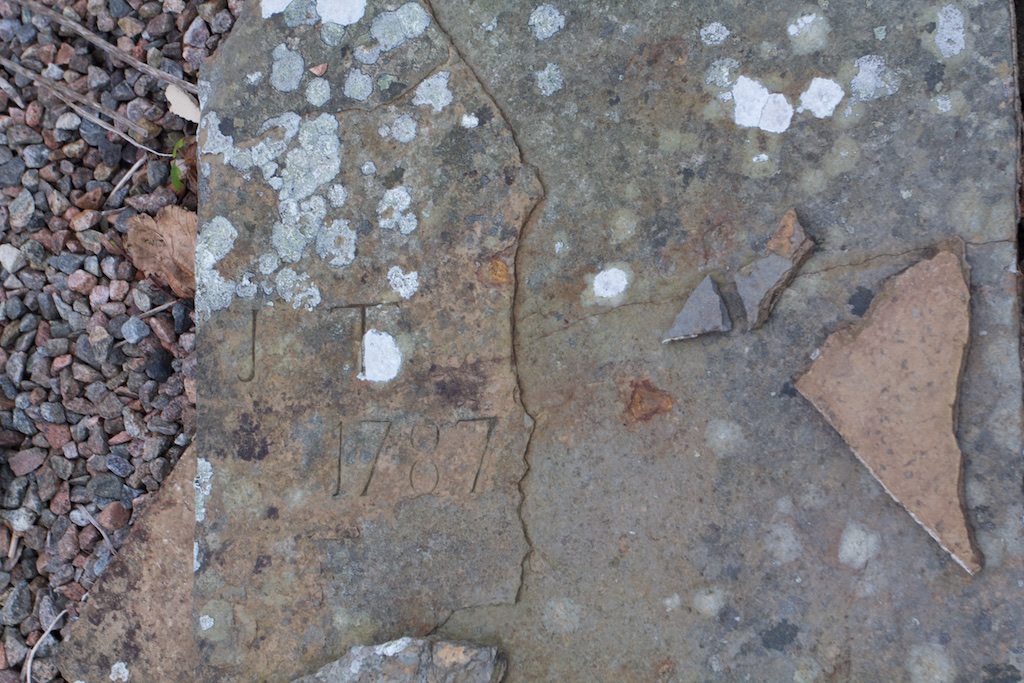
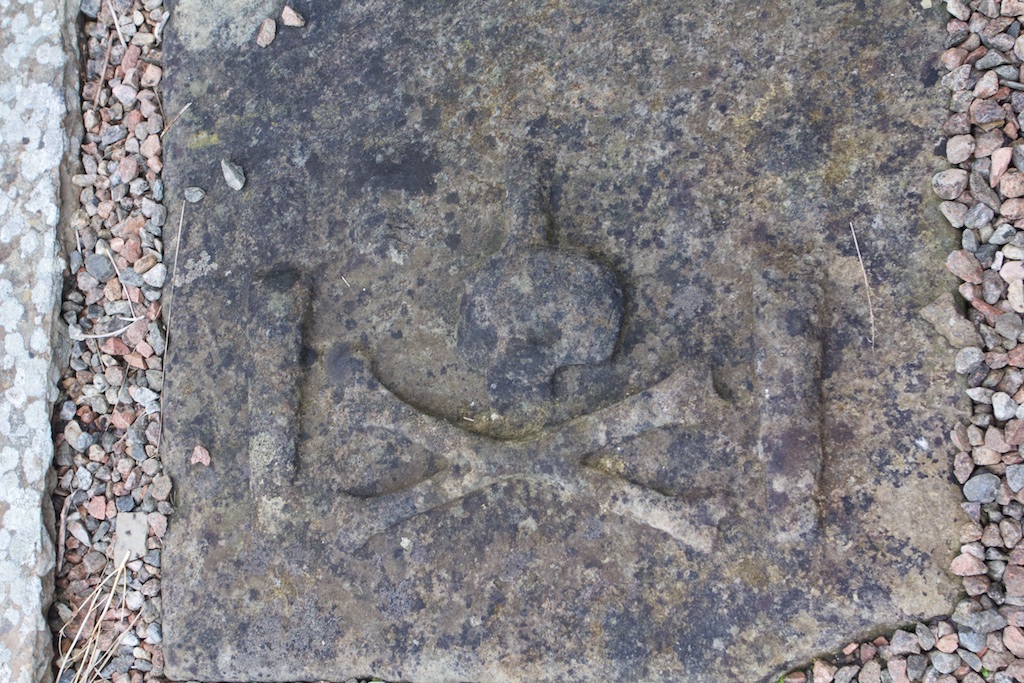
A headstone for the Swanson family. Relatives of mine.
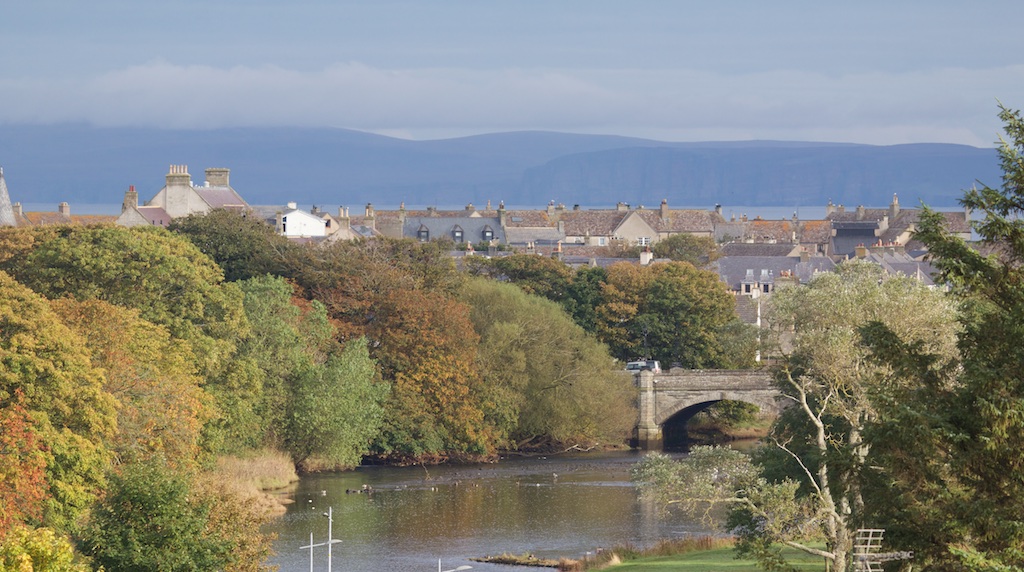
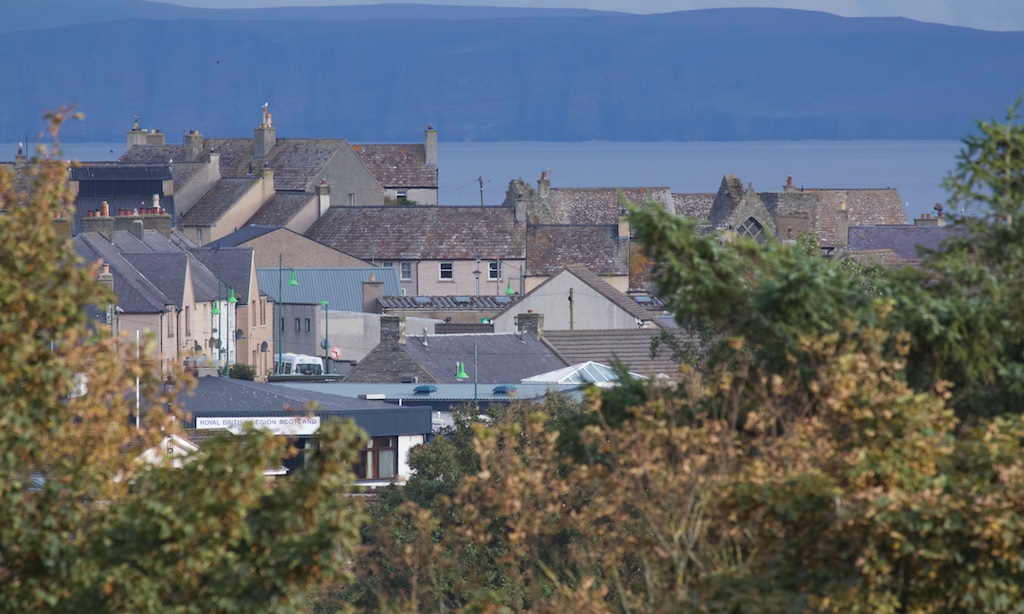
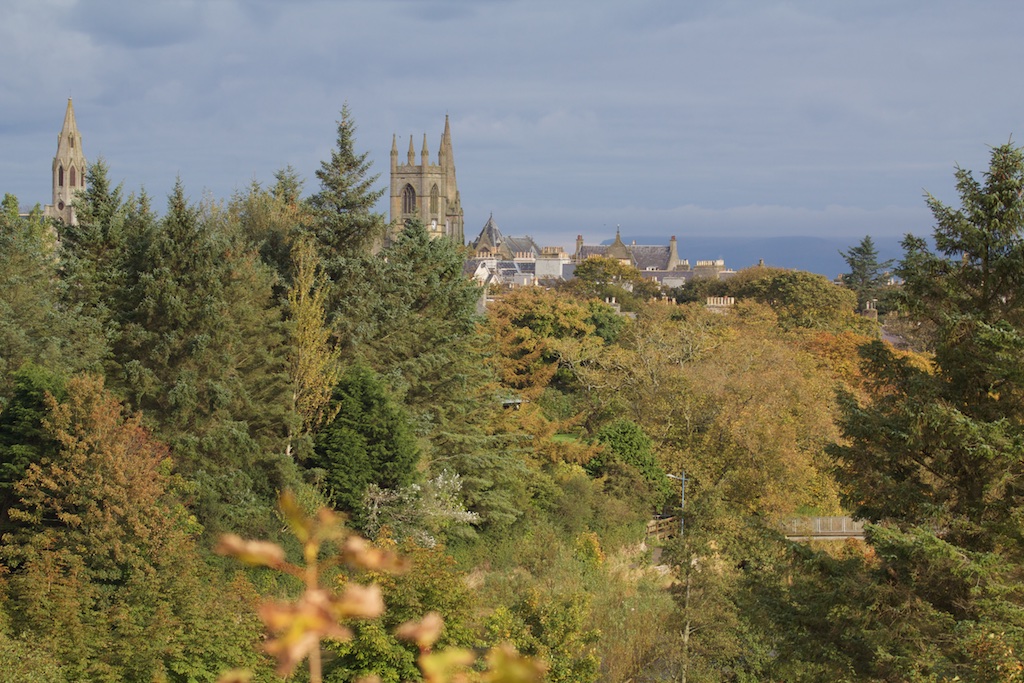
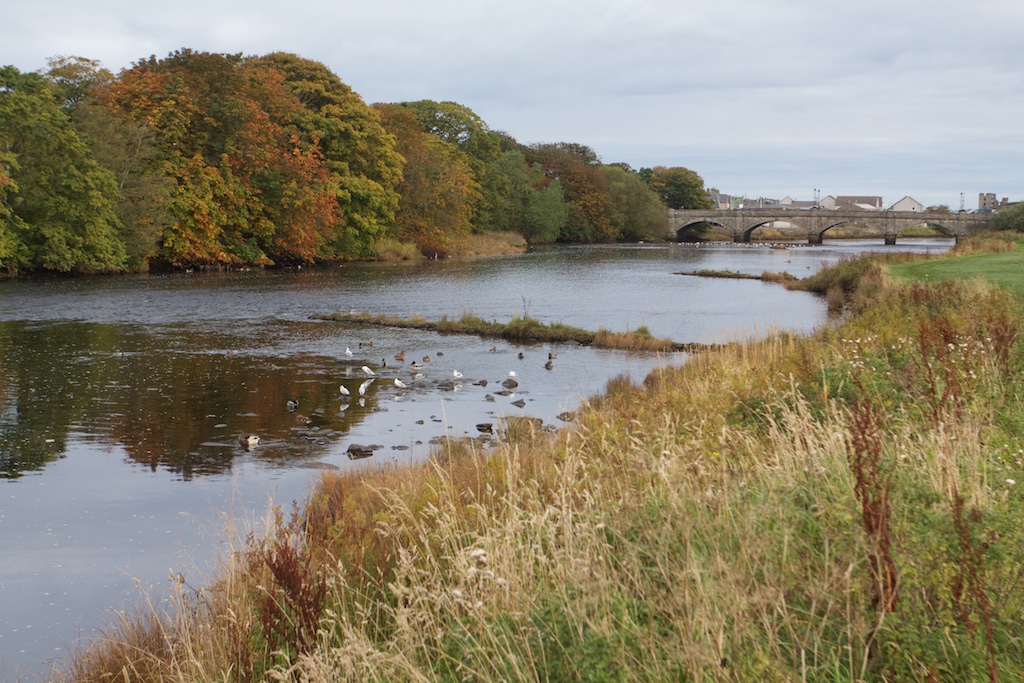
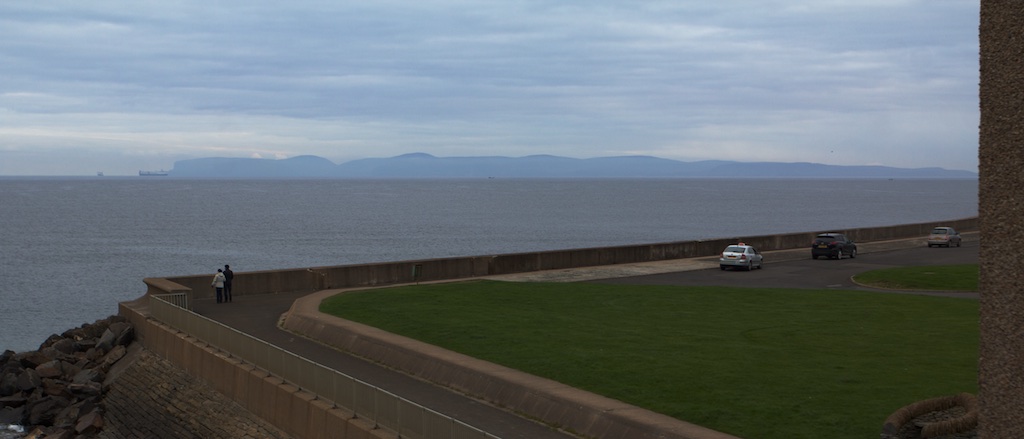
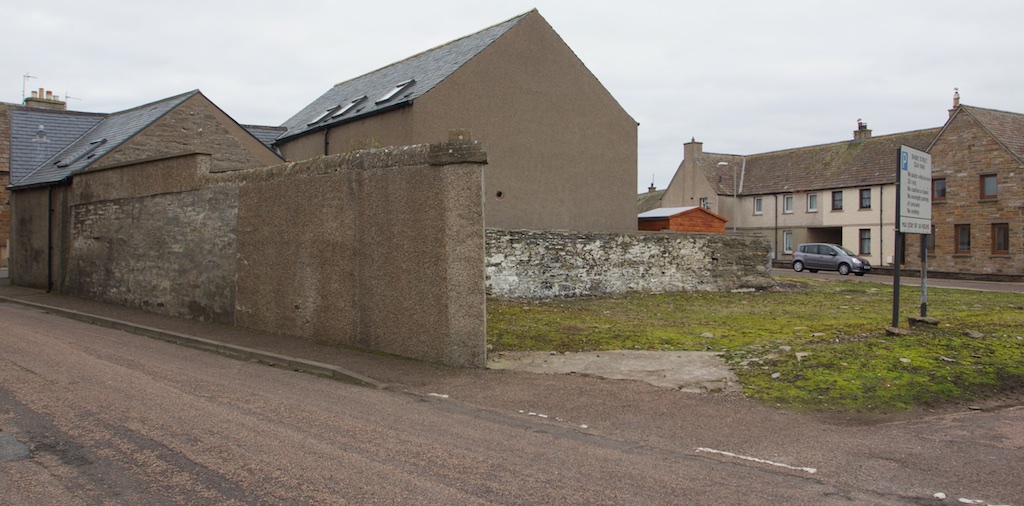
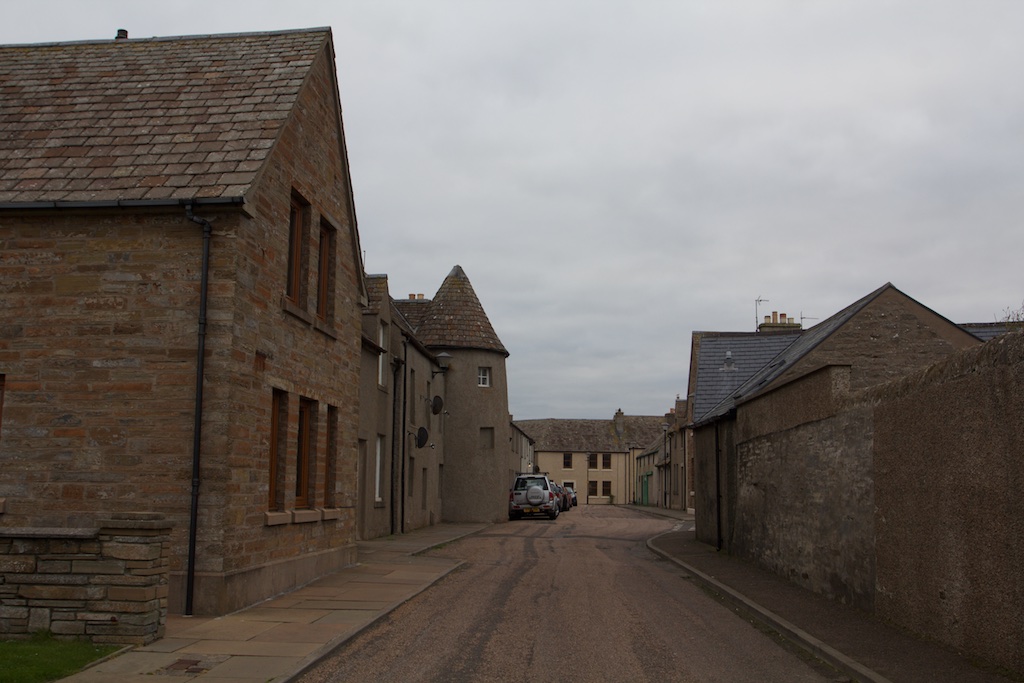
Thurso in Caithness, is located on the far north coast of Scotland. It is actually the northernmost town on the the British mainland. It is the furthest north I have ever travelled.
Many generations of my ancestors lived in this town or near by it. I know so much more about them since I returned to Australia than I found out in the short time I was there. I will have so much more understanding if I ever get the chance to return.
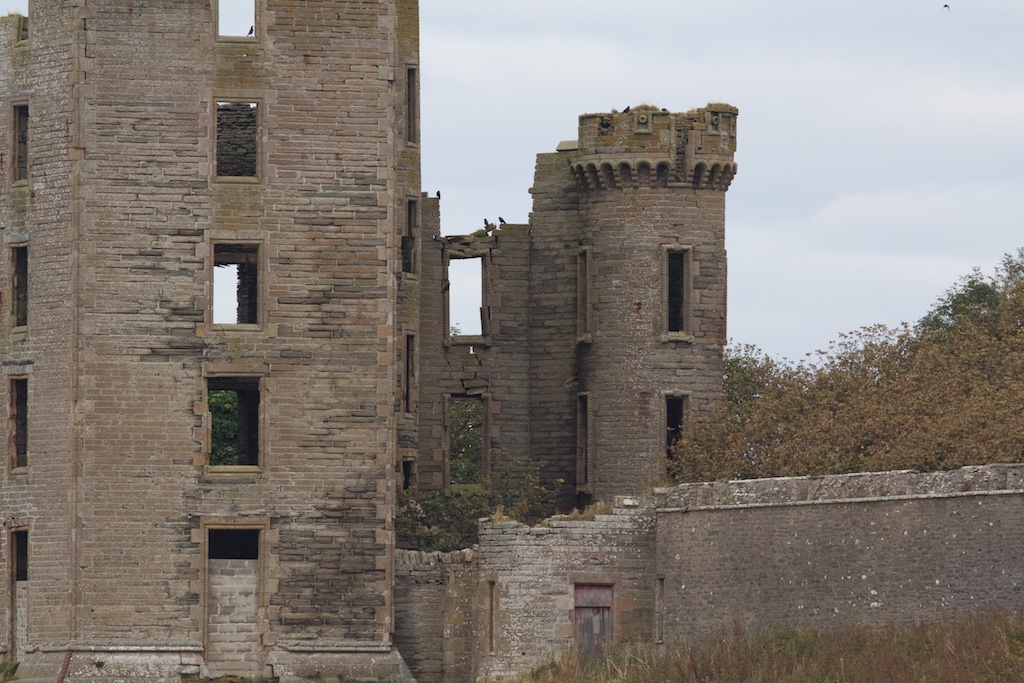
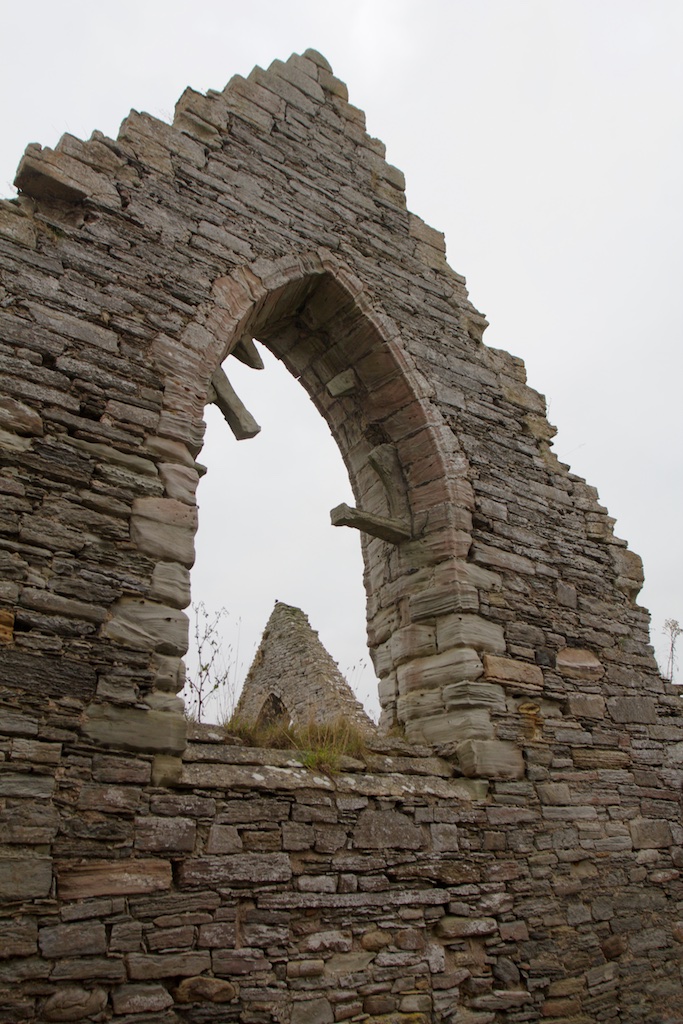
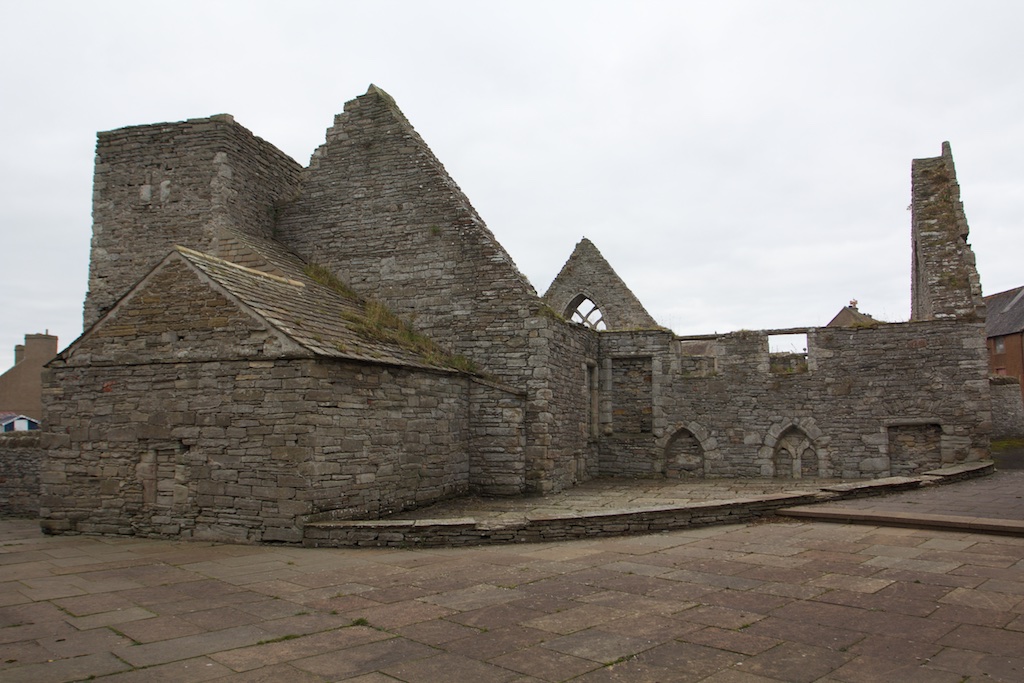
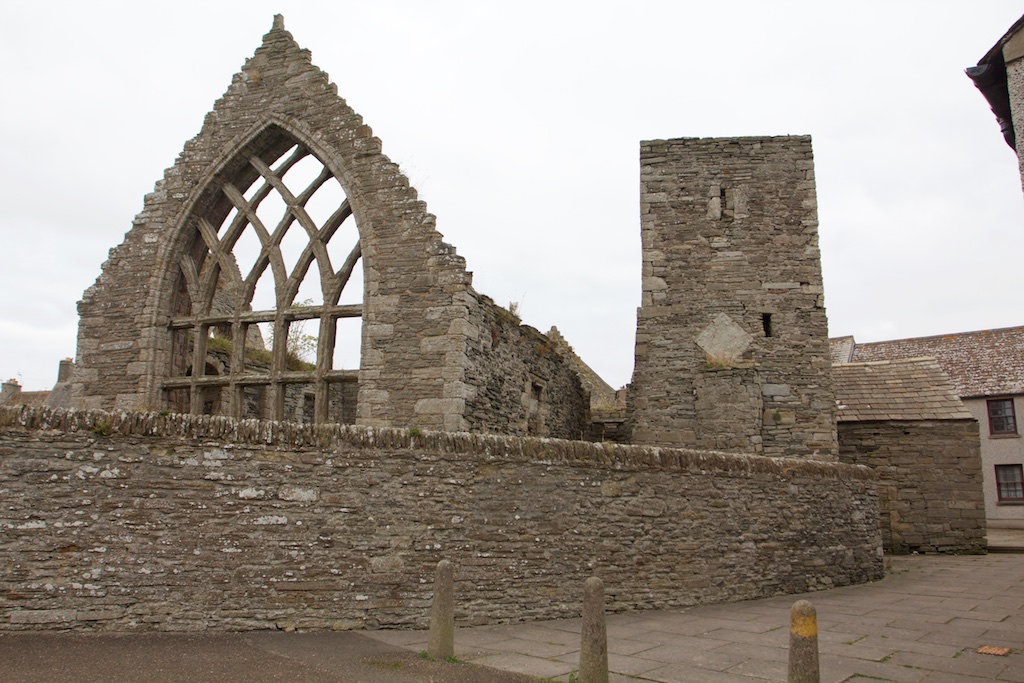
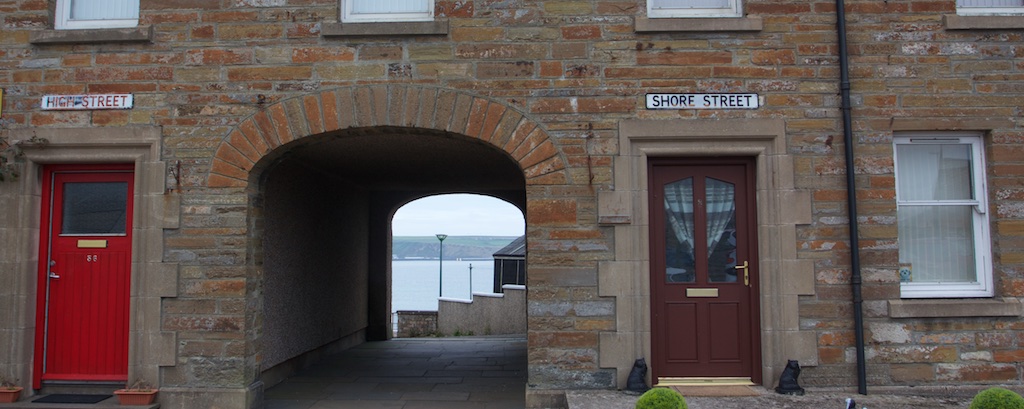
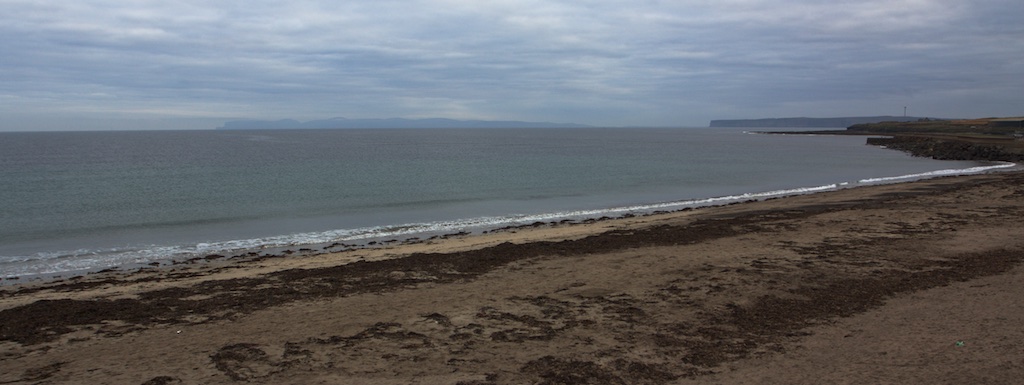
The Thurso River where Alexander Swanson drowned.Towards the OrkneysThurso CastleScrabsterAncestorsRuins of a KirkShore Street, ThursoGenerations of my lot lived here.So close to Orkney. Next time, perhaps? There was haggis for breakfast. My compromised digestive system will never forgive me that.
I had never been here before, but it felt like returning home. Please let there be a next time.
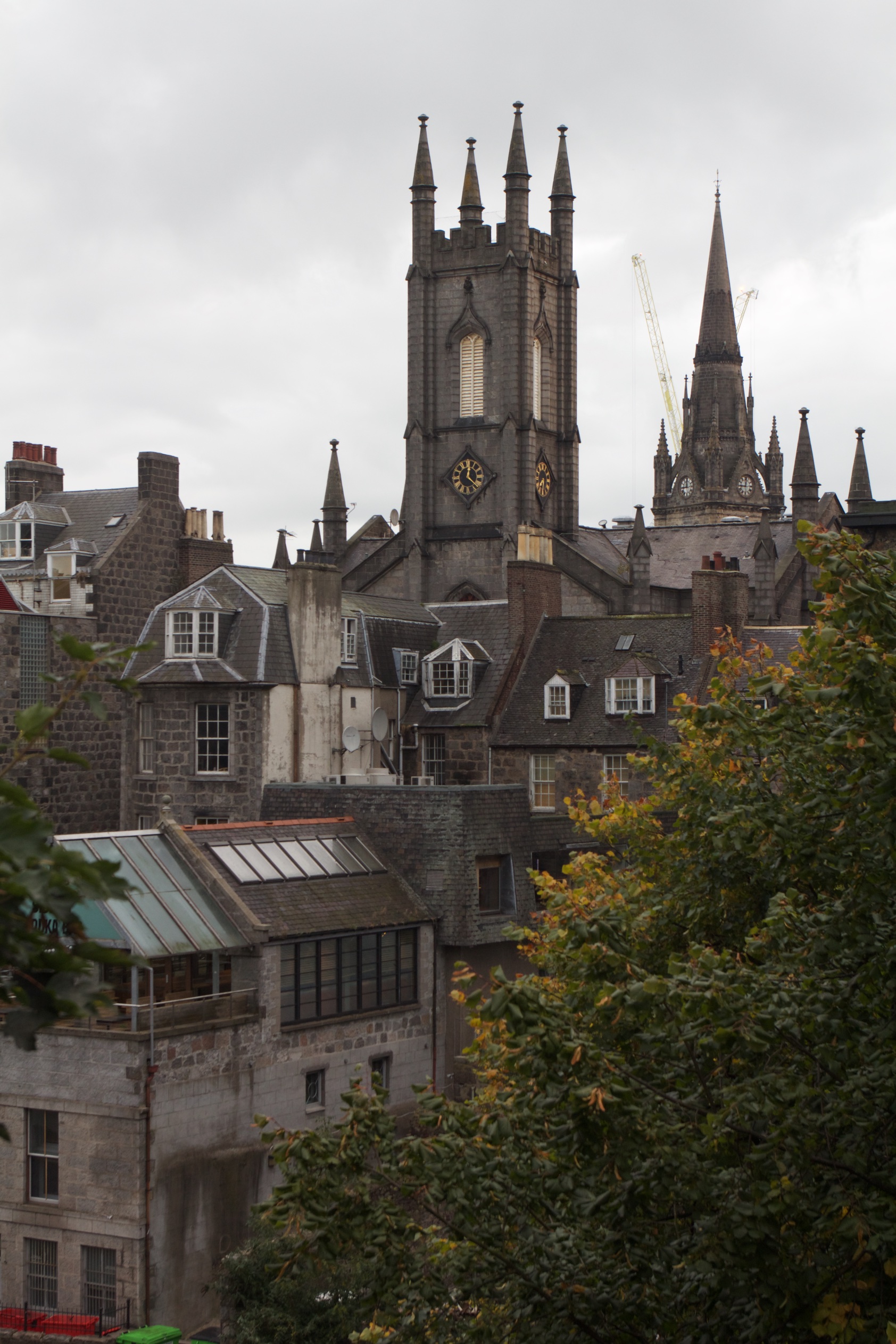
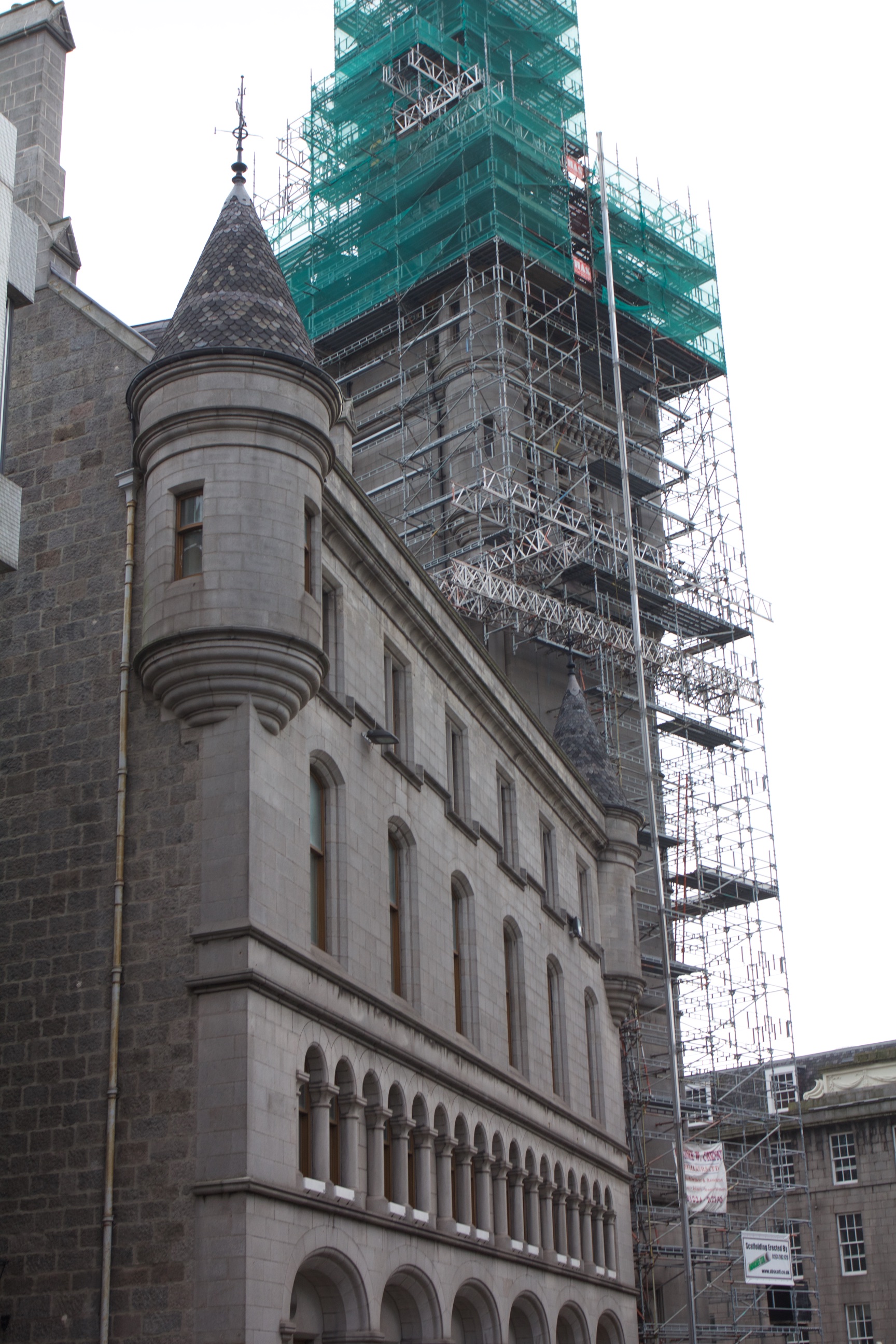
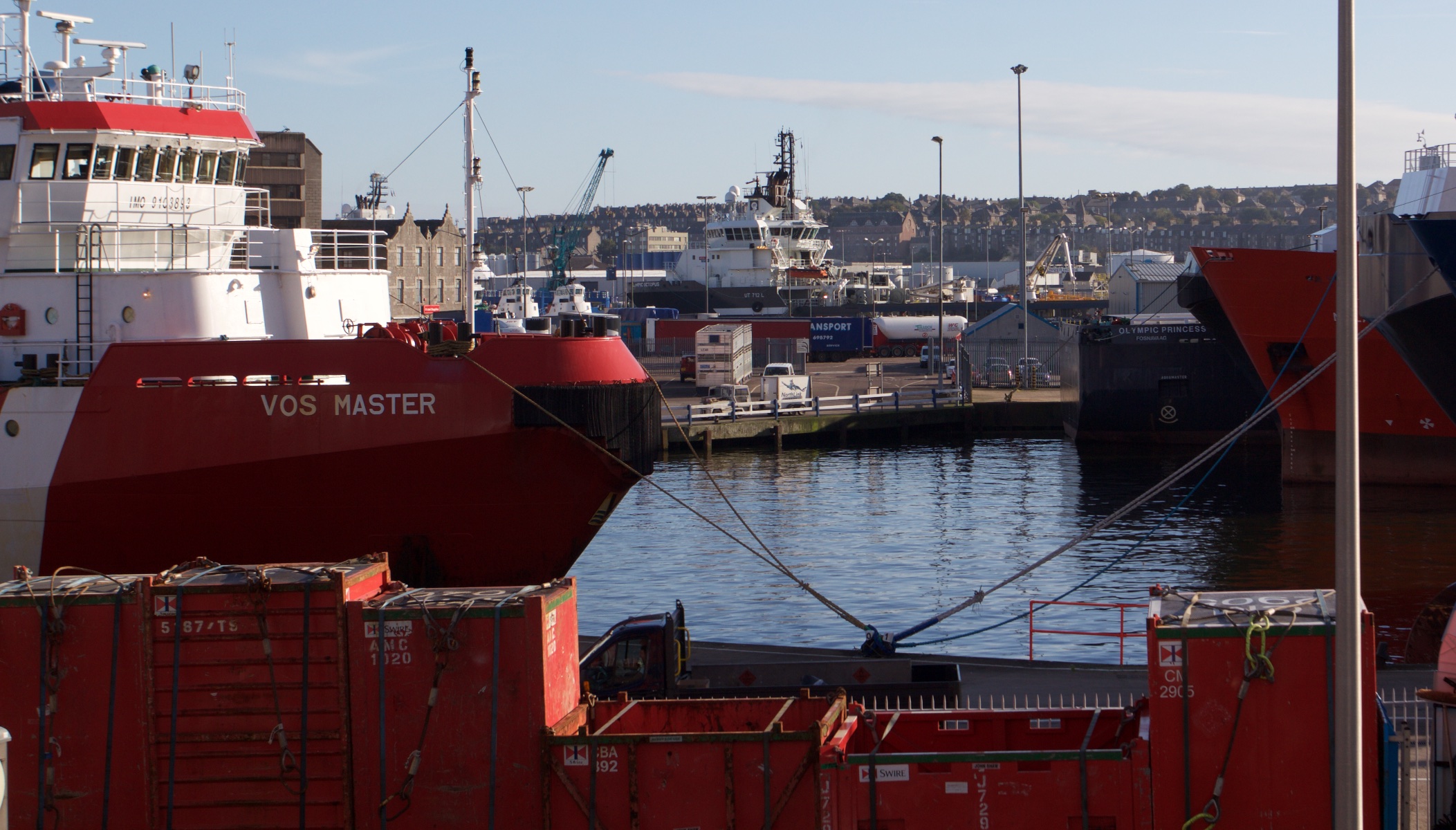
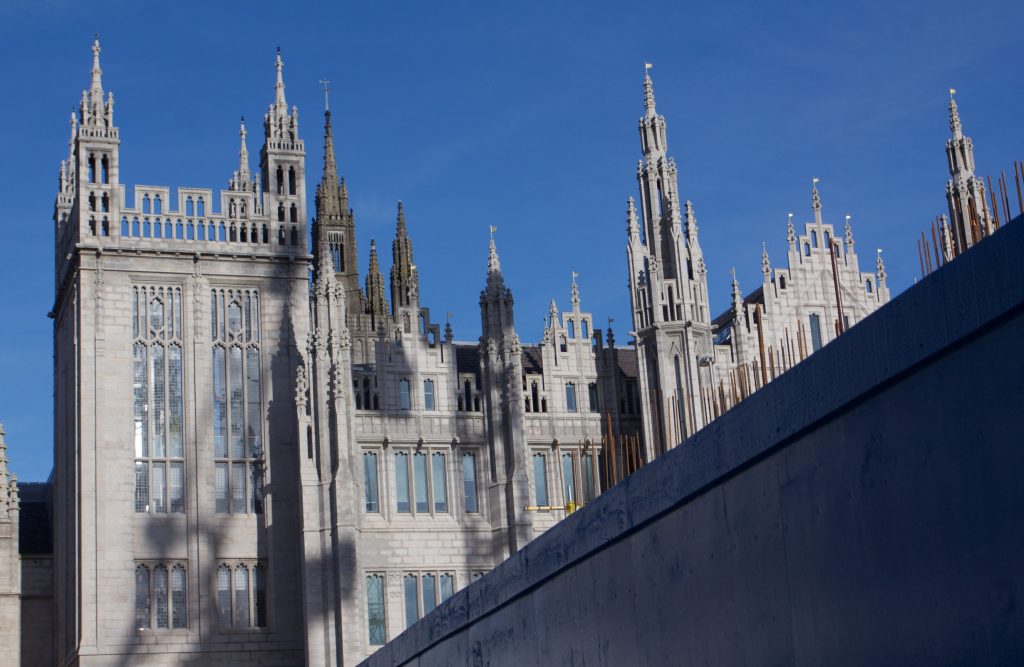
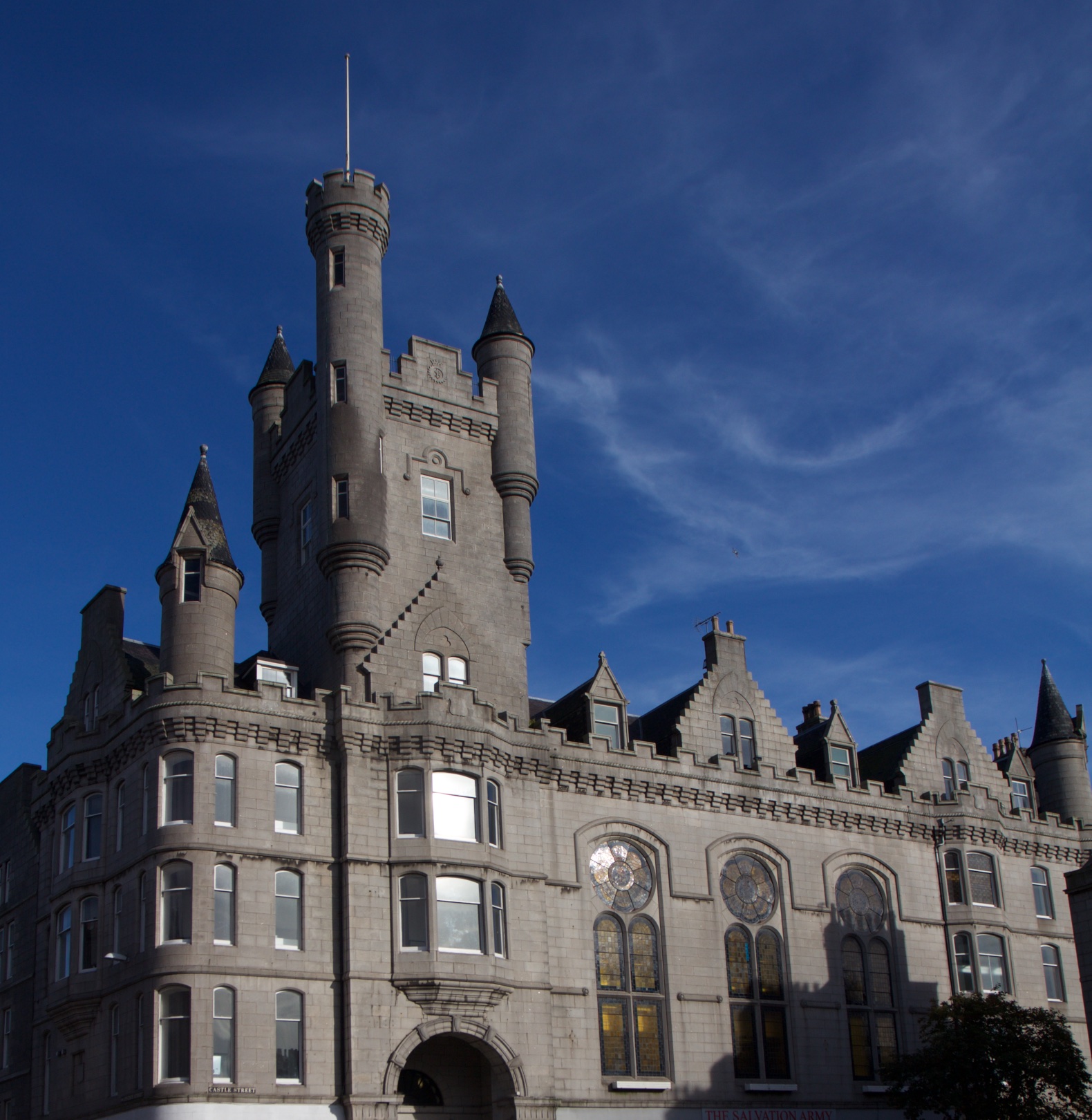
Half my father’s family came from Scotland. Mostly mariners from Caithness, the Highland port city of Aberdeen was also an abode for a generation or two.
An unremembered burial.Granite so cold and hard it’s actually radioactive.Past unwanted.Past demolished.
What a difference a single day can make.
Still so coldThe answers to the questions I had were not to be found here